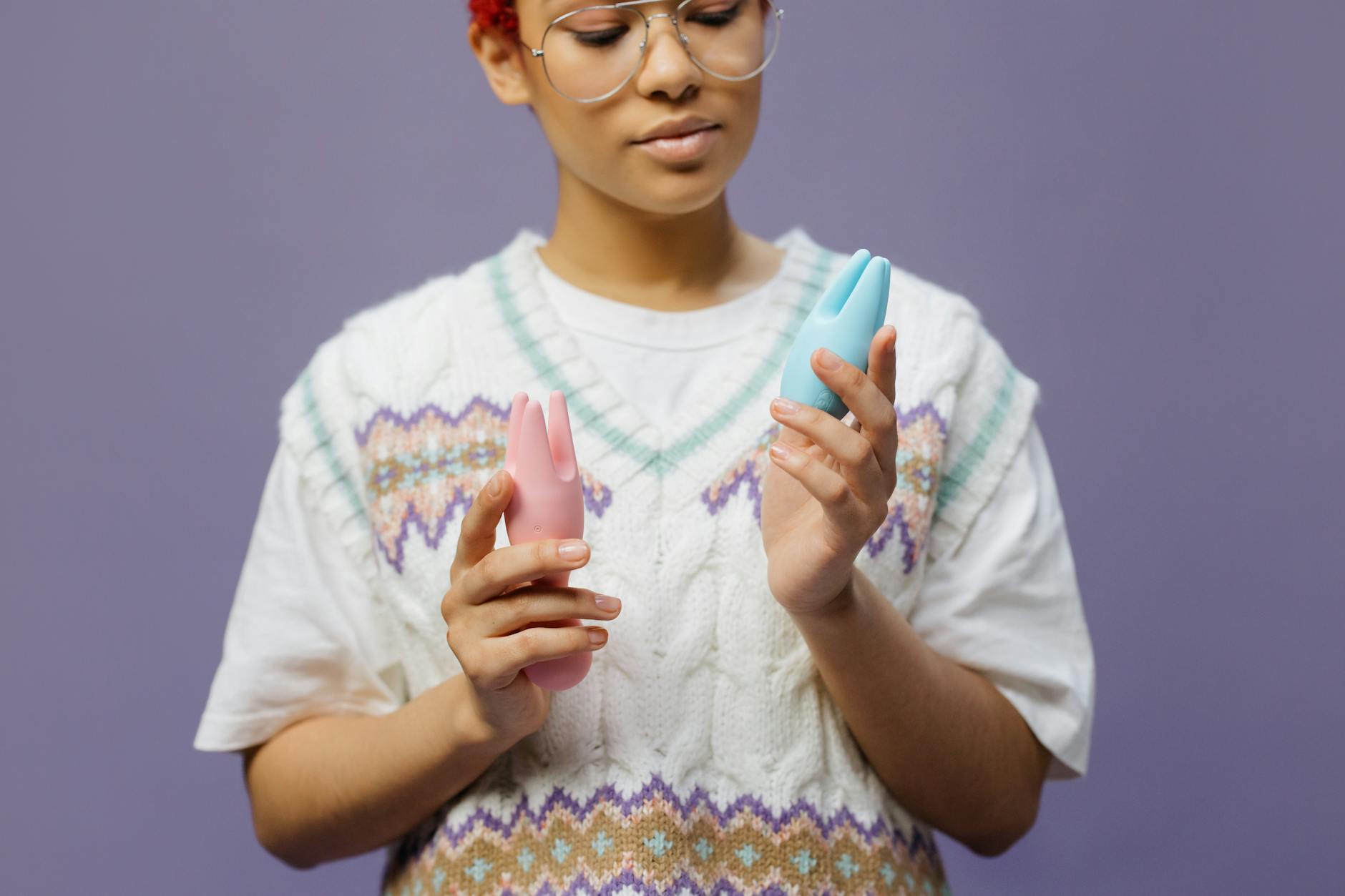
How to Use a Lemon Vibrator After Vaginal Delivery
The honest timeline for rebuilding clitoral pleasure after birth. When it's safe, what helps, and how to ease back into sensation without rushing healing.
Let's be real. Nobody talks about the sex part of postpartum recovery. Your OB hands you a pamphlet about bleeding, your partner awkwardly avoids the topic, and somewhere between the third diaper change at 3 a.m. and the fourth round of bleeding this week, you start wondering if pleasure is ever coming back.
It does. But the timeline matters, the approach matters, and using a lemon clitoral vibrator after vaginal delivery requires some specific knowledge so you don't undo healing that's already happening.
I've worked with hundreds of postpartum couples navigating this transition. Here's what actually works, when it's actually safe, and how to rebuild intimacy without rushing.
Your body isn't being dramatic. After vaginal delivery, the tissue surrounding the vulva, perineum, and vaginal opening has stretched significantly. Whether you had tearing, an episiotomy, or neither, the area needs time to heal at a cellular level. This isn't about infection risk alone. It's about rebuilding tissue thickness, regaining nerve sensation, and letting stitches (if present) fully dissolve or scar over properly.
Most medical providers use six weeks as a benchmark before any internal penetration. That's not arbitrary. It's the rough window when tissue integrity is restored enough to handle touch without disrupting healing.
For external clitoral stimulation with a lemon vibrator? The timeline is different and more nuanced. Your clitoris itself wasn't directly involved in delivery. But the tissue surrounding it was. Swelling reduces significantly after the first two to three weeks. This is when gentle external stimulation becomes possible, though not necessarily comfortable yet.
During this period, your focus should be on reducing swelling, managing pain, and letting your nervous system calm down. This isn't when you introduce a vibrator.
What helps instead. Cold therapy (ice packs wrapped in cloth, not direct ice) reduces inflammation. Pelvic floor breathing, not Kegels, helps the muscles relax. Many newly postpartum people unconsciously clench the pelvic floor in response to pain, which actually slows healing. Learning to breathe into the area and consciously release tension is more helpful than any active contraction right now.
Sensation often feels weird or numb during this window. That's normal. Hormonal changes, swelling, and bruising mute nerve signals. Expecting pleasure feels laughable. That's not broken thinking. It's accurate.
This is when some people begin touching themselves again, very gently. No vibrator yet. Just hands, soap-free (since anything irritating can trigger delayed healing), and curiosity without pressure.
If this feels okay and there's no increased pain or bleeding, around week four or five, you can introduce a lemon vibrator at its lowest setting. Here's why lemon vibrators specifically help at this stage: the suction-based technology doesn't require pressure or friction. Traditional vibrators demand steady contact and often rhythmic stimulation that can feel too intense on healing tissue. A lemon clitoral vibrator's air-pulse action is gentler, more diffuse, and less dependent on your ability to hold it still. It does the work for you.
Start with pattern one, the lowest intensity, for no more than two to three minutes. Position it so it's barely in contact, letting the suction do the work rather than pushing it against your body. Many postpartum people find that what felt intense before delivery now feels softer. Hormonal shifts (particularly the drop in estrogen) change how sensation registers.
Once you're cleared by your healthcare provider (usually around the six-week mark), external vibrator use can increase gradually. But gradually is the key word here.
Your pelvic floor is still reorganizing. Scar tissue is still remodeling. Your hormones haven't stabilized, especially if you're breastfeeding (which suppresses estrogen further). All of this means sensation may feel muted, or conversely, hyperactive in unexpected spots.
The approach matters. Spend time without a goal. Use a lemon vibrator for sensation exploration rather than orgasm achievement. Try different patterns. Notice which ones feel grounding versus jarring. Many postpartum people report that pattern three or four, mid-range intensity, works better than maximum settings, even though before birth they preferred intensity eight or nine.
Water-based lubricant becomes your friend here too. Even if you never needed it before, postpartum hormonal changes often reduce natural lubrication. It's not a sign something is wrong. It's a sign your body is still recalibrating.
Here's what medical advice often misses: your body may be physically ready before your mind is.
Postpartum trauma is real. Even uncomplicated deliveries are intense physical experiences. Your body has been through something. If you felt out of control during labor, if an epidural didn't work as expected, if there were moments of pain you weren't prepared for, your nervous system may be protective about sensation in that area.
You might reach week twelve, be medically cleared, and find that touching yourself triggers anxiety or dissociation. That's not a sign something is wrong with you or your clitoral vibrator. It's a sign your nervous system is doing its job: protecting you.
Going slowly helps. Consistency helps more. Using a lemon vibrator in a space where you feel completely safe, at a time when you're not rushed or obligated, with zero pressure to reach any particular outcome. If sensations feel overwhelming, that's information. Pause. Breathe. Try again another day.
Many postpartum people who struggled with sensation and pleasure in months two through six report that months six through twelve, things shift dramatically. The nervous system settles. Hormones stabilize (especially if breastfeeding is winding down). Confidence returns.
If you had tearing or an episiotomy, you're healing scar tissue. Scar tissue feels different than original tissue. It's often less elastic, sometimes numb, sometimes hypersensitive. This is completely normal and typically improves over 12 to 18 months.
Using a lemon clitoral vibrator over scar tissue is fine and often helpful. The gentle suction doesn't put mechanical pressure on the scar site itself, which means less risk of aggravating it. Some people find that varied stimulation actually helps desensitize hypersensitive scar areas over time. Others find certain patterns feel triggering and others feel soothing. Explore and notice.
If pain persists beyond three months postpartum, or if you notice ongoing swelling, increased pain with touch, or discharge changes, that's a conversation for your provider. Postpartum pelvic pain is real and sometimes needs physical therapy or manual release work.
Many postpartum couples aren't just rebuilding individual pleasure. They're rebuilding intimacy together. This is vulnerable territory. You're tired, touched out, and your body feels foreign. Your partner might feel rejected or uncertain about what's okay.
Using a lemon vibrator together can actually ease this. It removes pressure from your partner to perform. It gives you control over sensation and timing. It makes pleasure visible and shared rather than performative. Many couples I work with find that reintroducing external pleasure with a vibrator first, before any other intimacy, actually rebuilds trust faster than trying to jump straight to partnered sex.
The conversation matters. "I want to explore sensation together, but I need to go slowly" is different from "I'm not interested in you right now." Being specific helps everyone feel less anxious.
If you had significant tearing (third or fourth degree), your provider may recommend waiting longer before any external vibration. Respect that. If you had an infection or delayed healing, the timeline shifts. If you developed postpartum anxiety or depression, that hormonal shift affects sensation and pleasure capacity. If you're exclusively breastfeeding, estrogen suppression is real and numbs sensation significantly.
None of these are reasons to assume pleasure won't return. They're reasons to adjust your timeline and approach. Work with your provider. Consider pelvic floor physical therapy if healing feels stalled. Get support for postpartum mood changes. These pieces matter.
Honestly? Most people report that their pleasure capacity, sensation, and orgasm quality return to baseline by months six to nine. Some report it takes a full year. A smaller subset find that postpartum pleasure feels different and actually better than before, once hormones stabilize.
What rarely happens: pleasure doesn't come back at all if you're patient and intentional. Your clitoris wasn't involved in birth. The nerves that carry sensation there are intact. It takes time, hormonal rebalancing, and some nervous system settling, but pleasure recovery after vaginal delivery is the norm, not the exception.
Start with patience. Add consistency. Use tools like a lemon vibrator that work with your healing body rather than against it. And give yourself the same grace you'd give a friend who just pushed a human being out of her body. You're not broken. You're just different for a while.
Most providers recommend waiting until at least week four or five for gentle external clitoral stimulation, though week six is safer for many people. This depends on your individual healing, whether you had tearing, and your comfort level. Always get clearance from your OB before beginning any stimulation. Start with a lemon clitoral vibrator on the lowest setting and work gradually upward as healing progresses.
Yes, once stitches have dissolved or scarred over (usually week four onward). The key is external stimulation only at first. A lemon vibrator's gentle suction-based action is actually safer on healing tissue than traditional vibrators because it doesn't require pressure or friction. Avoid direct contact with the stitched area itself until at least six weeks postpartum.
Gentle external stimulation with a lemon clitoral vibrator won't interfere with healing if you're past the initial swelling phase. However, if you notice increased bleeding or pain during or after use, stop and contact your provider. Some postpartum people experience light spotting with stimulation, which is usually normal, but heavy bleeding isn't and needs medical evaluation.
This is extremely common and usually resolves within weeks to months. Swelling, hormonal changes, and bruising mute nerve sensation temporarily. Using a lemon vibrator on slightly higher patterns can sometimes help wake up sensation, but patience is more important than pushing. As swelling reduces and hormones stabilize, sensation typically returns naturally.
Yes. Breastfeeding suppresses estrogen, which reduces natural lubrication and can muffle sensation. This is temporary and resolves once breastfeeding ends or significantly decreases. Water-based lubricant helps. Patience helps more. Once estrogen rises again, sensation usually sharpens noticeably.
Completely normal. Birth can be traumatic, even when uncomplicated. Your nervous system may be protective. Using a lemon vibrator in a low-pressure, solo setting first can help you rebuild trust in sensation before partnered intimacy. If anxiety persists beyond a few months, talking with a therapist, especially one trained in postpartum trauma or somatic work, can help.
Your pleasure matters. Your healing matters more. Both are possible at the same time if you're patient with yourself and intentional about what you need. Start small, go slow, and trust that your body knows how to rebuild itself.