Your doctor probably told you about the brain zaps, the mood shifts, the adjustment period. They probably did not say: your whole sensory system is about to recalibrate, and sex might feel completely foreign for a while. That's the part no one explains, and it's also the part that most people benefit from preparing for.
When you've been on SSRIs or SNRIs, they've been dulling your nervous system. That numbness extends everywhere. Your pleasure circuits have been turned down. Now that you're tapering off, they're coming back online, and the sensation can feel shocking. Some people describe it as overwhelming. Others say it's like their body has been asleep and is suddenly waking up. Both are completely normal.
SSRIs (like sertraline, paroxetine, fluoxetine) and SNRIs (like venlafaxine, duloxetine) work by increasing serotonin levels in your brain. That's their job, and it's a good job for mood stability. But serotonin also regulates arousal, orgasm ability, and genital sensation. When your serotonin is artificially elevated, your body's natural pleasure signals get muted. It's not in your head. It's neurochemistry.
Some people experience delayed orgasm or no orgasm at all while on these medications. Others find that sensation is there but muted, like you're experiencing pleasure through cotton. Desire can feel flat too. This is one of the most common reasons people stop taking SSRIs, even though the medication is working for their mood. Your doctor should have screened for this. Often they don't.
When you stop taking the medication, your serotonin levels normalize over days or weeks. Your nervous system recalibrates. That's when sex suddenly feels like too much, or weirdly unpredictable, or just plain strange in your own body.
For the first two to four weeks after stopping antidepressants, your nervous system is adjusting. This is not the time to expect normal sensation. It's the time to expect unpredictability. One day you might feel nothing. The next day, even gentle touch might feel too intense.
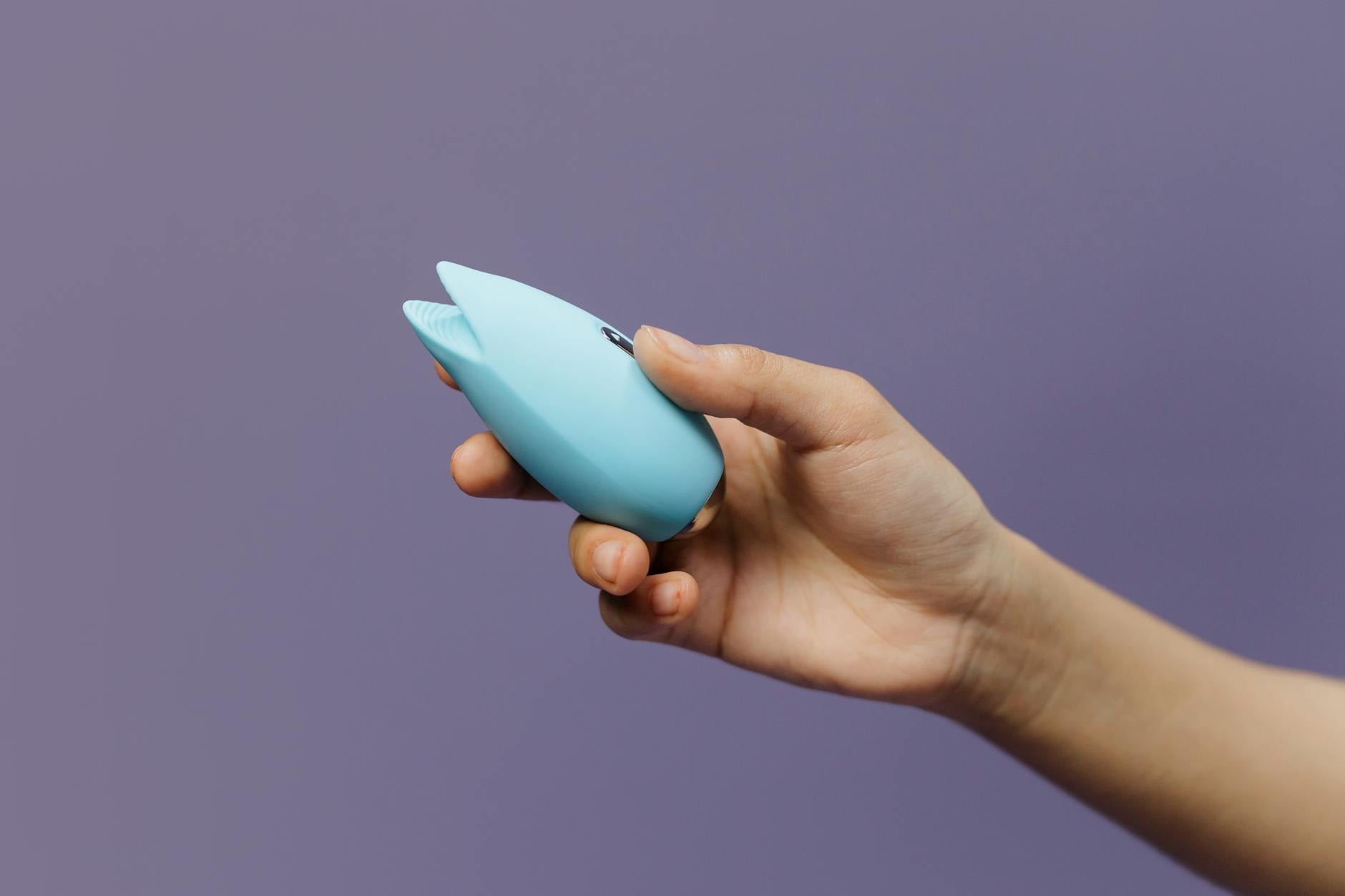
This is actually where a lemon clitoral vibrator becomes valuable. Unlike a traditional vibrator, air-suction toys like the Lem work by stimulating rather than directly pressing. This means you can start at the lowest setting and control intensity in a way that feels responsive rather than aggressive.
Start here:
Pick a moment when you have time and no pressure. Not when you're trying to perform or reach a goal.
Use the Lem on pattern 1 (the gentlest setting) for just a few minutes.
Pay attention to what you feel rather than trying to achieve anything.
If it feels good, great. If it feels overwhelming, stop. There's no prize for pushing through.
The point is not to have an orgasm. The point is to listen to your body and learn what feels good again. Think of it as a conversation between you and your nervous system.
There are a few reasons why air-suction vibrators like the Lem work particularly well during this phase.
First, sensation from suction is different from vibration. It's rhythmic and pulsing rather than buzzing. After months of numbness, that gentler stimulation can feel more manageable than the intensity of a traditional vibrator. You're not jarring your nervous system awake. You're inviting it gently.
Second, the Lem has a graduated intensity dial. You can start at pattern 1 and stay there as long as you need. There's no pressure to jump to higher settings. You control the pace of your own recalibration entirely.
Third, clitoral vibrators work without requiring deep arousal or lubrication changes the way penetrative sex might. Right now, you're rebuilding a relationship with your own pleasure. That's easier to do solo, on your terms, without the variables that come with a partner.
If you have a partner, that doesn't mean they're excluded from this phase. It means you might explore together at the beginning to help them understand what recalibration looks and feels like. But solo exploration first gives you data that you can bring into partnered sex later.
As your nervous system continues to adjust, a few things often happen.
Desire might come back suddenly and intensely. This can feel shocking if you've been numb for years. It's also sometimes confusing because the intensity can feel unfamiliar or even anxiety-inducing. That's fine. Use the Lem as a tool to explore that intensity at your own pace. You're not obligated to do anything with the desire except notice it and let it exist.
Orgasms might return, or they might feel different than before. Some people say they're more intense. Others report that they feel fragmented or require a different kind of stimulation than they used to. Again, this is recalibration. Your body isn't broken. It's relearning.
Some people experience hypersensitivity during this window. The Lem's pattern 1 setting might start to feel too intense, and you might need to take breaks more frequently. That's also normal. Your nervous system is healing. Healing is not linear.
If you're in a relationship, communication matters more here than almost anywhere else. Your partner might interpret your changed sensations as a change in how you feel about them. It's not. It's chemistry. But chemistry shapes experience, so it matters.
I recommend having this conversation early: "My body is recalibrating from the medication. This might mean my pleasure looks different for a while. I might need more time, different stimulation, or permission to just explore solo. This isn't about us. It's about me rebuilding a relationship with my own sensation."
Then, if your partner wants to be part of the exploration, they can learn alongside you. Some couples find that this phase is actually an opportunity to rediscover each other sexually. You're both learning what your body wants now, not what it wanted before the medication.
If your partner struggles with this or wants you to perform pleasure you don't actually feel, that's a different conversation. That's about your partner's needs and whether they can genuinely support yours. A couples therapist or a sex-positive relationship coach can help navigate that.
By week six or eight, most people find that sensation stabilizes. You're not swinging between numb and overwhelmed anymore. You're in a new baseline. That baseline might be different from pre-medication. That's okay. You're a different person now. You've been through depression or anxiety. That changes you.
At this point, the Lem shifts from being a tool for recalibration to being a tool for pleasure. You can start exploring the full range of patterns and intensities. You might notice that pattern 3 or 4 feels perfect now, whereas pattern 1 was what you needed in week one. That progression is exactly what should happen.
If you have a partner, this is when partnered sex often re-enters the picture. You've done your solo work. You understand your body again. Now you can bring that knowledge into shared experience. Use the Lem as part of foreplay. Explore together.
If after eight weeks your sensation still feels completely flat, bring it up. Sometimes depression itself mutes pleasure, and the medication was masking that underlying issue. Sometimes there's another medication adjustment that helps. Sometimes it takes longer than eight weeks for your nervous system to fully reboot.
If you're experiencing physical pain during sex or sensation that feels burning or numb in a concerning way, that's also worth a conversation. Not all sensation changes after stopping antidepressants are just recalibration. Some can point to other things happening in your body.
And if your doctor offers to put you back on a different medication because sexual side effects are happening, you have options. Some medications have fewer sexual side effects than others. Some people benefit from a different dosage. Some benefit from adding another medication that specifically counteracts sexual dulling. There is no one right answer. There's the right answer for you.
You've been on antidepressants. This means you've been managing your mental health. That's worth acknowledging. Now you're making a change. That takes courage, and it also requires patience with yourself.
Your body might feel like a stranger for a while. That's not a flaw. It's part of healing. As your sensations come back, you might also notice other emotions surfacing. Grief about the time the medication took. Anger about the sexual side effects you weren't warned about. Joy about sensation returning. Sometimes all of those in one week.
That emotional experience is as valid as the physical recalibration. If you're struggling with it, a therapist who specializes in medication transitions and sexuality can be enormously helpful. This isn't just about pleasure. It's about integrating a new version of yourself.
Coming off antidepressants is one specific transition. But the pattern holds for any major change to your sensory system. Whether you're recovering from surgery, managing chronic pain, adapting to a new medication, or rebuilding after trauma, your nervous system is learning something new. Lemon clitoral vibrators work well in those contexts too, largely because they give you graduated, controllable stimulation that doesn't require you to perform pleasure you don't feel. If you're curious about how the Lem works in other recovery contexts, we've covered how to use a lemon vibrator for pleasure with chronic pain or illness, and how lemon vibrators work with antidepressants and anxiety medications.
The broader point: your pleasure matters. Your recalibration timeline matters. Your comfort matters more than anyone else's expectations.
Antidepressants dull sensation across your entire nervous system, including sexual sensation. Stopping them means your body is recalibrating, and that can feel overwhelming, numb, or just plain weird for a few weeks. A lemon clitoral vibrator like the Lem helps you explore sensation at your own pace, starting with gentle patterns and building as your nervous system rebalances. Expect recalibration to take 4 to 8 weeks. Work with a partner through honest communication. If sensation doesn't improve, talk to your doctor. Your pleasure is not a luxury. It's part of your health.
Most people notice significant changes within the first two weeks and stabilize around week 4 to 8. However, some people take longer. Your nervous system is individual. If you're six weeks in and still feel completely numb, it's worth checking in with your doctor to rule out other factors or to discuss whether your dose was particularly high or you were on the medication for a very long time. Patience helps, but if nothing is shifting, professional guidance matters too.
A traditional vibrator works if you're comfortable with it, but many people find the intensity overwhelming while recalibrating. The Lem's air-suction design and graduated intensity levels make it easier to start small and build. That said, if you already love a particular vibrator and it still feels good, use it. The best sex toy is the one that actually feels good in your body. The Lem just happens to be particularly helpful for this specific transition because of how gentle you can keep it.
Completely normal. You've been numb for a long time. When sensation returns, especially if it's intense, your nervous system can interpret that as threat rather than pleasure. This is especially true if you've experienced anxiety or trauma. If anxiety is getting in the way, a sex-positive therapist can help you work through it. You might also find that starting with very short sessions (three to five minutes) using the gentlest Lem pattern helps your nervous system learn that sensation is safe before you push into longer or more intense exploration.
Yes, if you're in a partnered relationship. You don't need to overshare medical details, but something like "I'm making a change to my medication, and my body might respond differently for a few weeks. I want you to know what's happening so we can navigate it together" gives them context. It also prevents them from taking changes personally. If your partner responds poorly or pressures you about sensation, that's information too, and you might need support navigating that dynamic.
Talk to your prescriber about sexual side effects. This is a real, documented side effect, and it's not something you have to tolerate silently. Options include switching to a different medication, adjusting your dose, adding a medication that counteracts sexual dulling, or taking a drug holiday (stopping briefly before restarting, though this needs medical supervision). Many of these conversations happen only if you bring them up, so be direct about what's happening in your body.
It can help, though the results are usually more modest. The Lem's gentler patterns might feel more pleasurable than a traditional vibrator, and the psychological effect of exploring your body intentionally can matter. But if the medication is actively suppressing your nervous system, a vibrator can only do so much. A better approach is usually to address the medication piece first. Once you and your doctor have optimized your treatment plan, then rebuild pleasure exploration.
If you're in the early stages of coming off antidepressants, give yourself permission to explore sensation without pressure. If you have a partner, have a conversation about what's happening and what you need. If sensation isn't returning as you'd expect, reach out to your doctor. And if you want a tool specifically designed for recalibration like the Lem, that's available at /products/essentials. Your pleasure recovery is worth the care and intention.