How to Use a Lemon Vibrator for Pleasure When Rebuilding After Relationship Trauma
Reconnecting with your body after betrayal or harm takes more than time. Here's how lemon clitoral vibrators can be part of reclaiming pleasure on your own terms.
Let's be real. After relationship trauma, your body isn't just out of sync with pleasure. It's out of sync with trust, with safety, sometimes with the person touching you or the thought of anyone touching you at all. Pleasure doesn't come back because someone tells you it should. It comes back because you rebuild it, slowly, on your terms, with tools that don't trigger the old pattern.
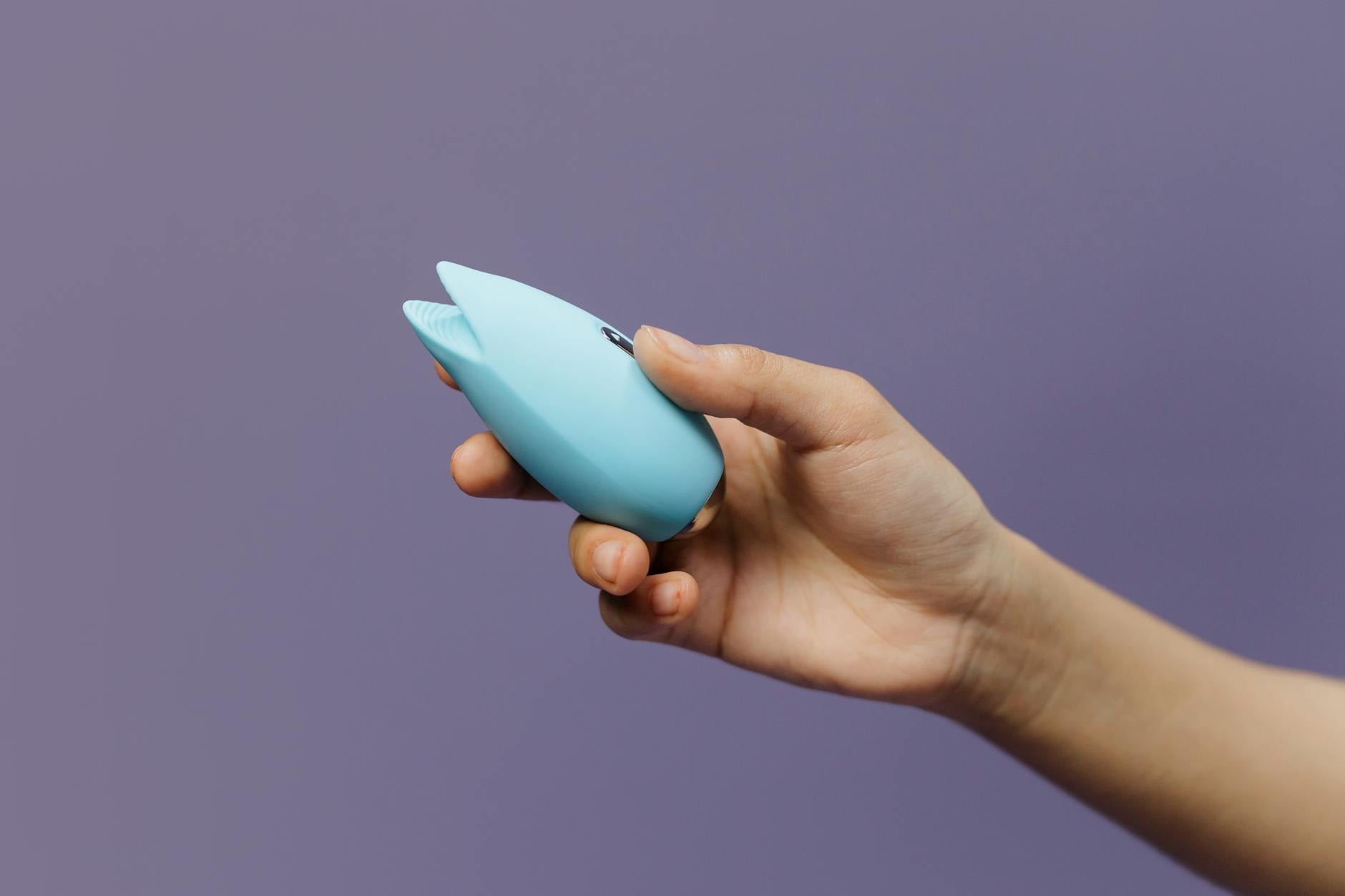
A lemon vibrator like the Lem can be that tool. Not because it's magic, but because it's under your control. It has no agenda. It can't hurt you. It can't expect anything from you. That matters more than you'd think when you're learning to have sensations again without fear.
When a relationship involves betrayal, unwanted touch, or boundary violations, your nervous system learns that pleasure or intimacy might bring harm. Your body gets stuck in a protective loop. Touch feels dangerous. Arousal feels uncomfortable. You might feel numb, or you might feel hyperalert. Both are trauma responses, and both make pleasure feel impossible.
Here's what most people don't understand. Pleasure isn't a switch that flips back on when the relationship ends. It's a skill you rebuild. Your nervous system has to learn that pleasure can be safe again. That happens through repetition, control, and experiences where you're in charge of what happens to your body.
Clitoral vibrators, especially lemon clitoral vibrators, are particularly useful here because they're designed for controlled, solo stimulation. No partner required. No negotiation. Just you, a device you control, and the chance to experience sensation without the weight of relational dynamics.
If you've been disconnected from your body for a while, don't expect your first session with a lemon vibrator to feel like anything you've read about. You might feel nothing. You might feel numbness. You might feel tightness or discomfort. All of that is normal and doesn't mean anything is wrong with you.
Start with the device powered off. Spend time just holding it, touching it, getting comfortable with the shape and texture. Let your body know this object is here for you and won't surprise you. Many people find it helpful to do this during a bath or while lying down, somewhere they feel safe.
When you turn it on, use the lowest setting. The Lem and other hello nancy lemon vibrators have multiple intensity levels for exactly this reason. You're not trying to reach an orgasm. You're trying to feel something. You're training your nervous system to tolerate pleasure without fear.
Consistency matters more than intensity. Set aside 10 to 15 minutes when you know you won't be interrupted. Lock the door if you need to. Tell your partner (if you have one) what you're doing and why, so there's no surprise or misunderstanding. Transparency keeps the nervous system calm.
Use the lowest setting for the first week or two. You're not rushing. The goal is to become familiar with the sensation without overwhelming yourself. After a few sessions, you can try different patterns. Lemon vibrators often have multiple modes. Try them all at low intensity and notice which feels least triggering.
If at any point you feel panic, numbness, or disconnection, stop. This isn't about pushing through. This is about learning that you can say no and nothing bad happens. That's the opposite of trauma. That's healing.
If you're rebuilding trust with the same person who hurt you, or building new intimacy with someone new, disclosure is non-negotiable. Explain why you're using the lemon vibrator. Let them know it's about reconnecting with your own pleasure first, not about them. Ask them to be present but not involved. They can sit nearby, or they can give you space. You decide.
Many couples find it helpful to start with the device as solo exploration, then gradually introduce it to shared moments when both people feel ready. A lemon clitoral vibrator can be part of foreplay, but only when you've already rebuilt your own comfort with sensation. You can't give pleasure to someone else when you're still learning to receive it yourself.
Your body might surprise you with a sudden memory or panic response. That's normal. Before each session, have a grounding strategy ready. Name five things you can see. Notice the temperature of the room. Feel your feet on the floor. These small acts tell your nervous system you're safe right now.
If you start to feel triggered during a session, stop immediately. Turn off the device. Sit up. Breathe. You're not failing. You're doing the work. Healing isn't linear, and progress isn't measured by how far you get. Progress is showing up, being patient, and trusting your body to move at its own pace.
One of the most powerful things that happens during trauma recovery is the moment you feel pleasure again without guilt, without fear, without waiting for the other shoe to drop. That moment, even a small one, is a big deal. Your body is telling you it's safe. Your nervous system is updating its threat assessment. You're not being reckless. You're healing.
Lemon vibrators, lem vibrators, and other clitoral vibrators are tools for that reclamation. They're not replacing anything. They're just helping you get back to yourself. When you're ready to explore pleasure with a partner again, that foundation of solo comfort will make everything easier and safer.
If you're having a hard time with dissociation, panic attacks, or flashbacks during or after sessions with a lemon vibrator, therapy can help. Trauma-informed therapy, specifically, can teach your body how to process sensation and safety differently. Sex-positive therapists exist. Many specialize in relationship trauma and sexual healing. You don't have to do this alone.
If physical sensations are triggering pain or unusual discomfort, talk to a pelvic floor therapist or gynecologist. Sometimes trauma creates muscle tension or other physical patterns that need professional attention. A lemon clitoral vibrator can be helpful, but it's not a substitute for clinical care when pain is involved.
There's no standard timeline for sexual healing after trauma. Some people feel reconnected to pleasure after a few months. Others take years. The only timeline that matters is yours. Don't compare yourself to anyone else's healing story. Your body isn't too slow. It's being smart. It's taking the time it needs to trust again.
Yes, as long as you're moving at your own pace and stopping when you need to. The key difference between using a vibrator during healing and using one before trauma is control. You get to decide when it starts, when it stops, what intensity, and when to quit. That control is therapeutic. If you're having flashbacks or severe panic during sessions, talk to a trauma therapist before continuing.
There's no fixed timeline, but most people start noticing small sensations return within a few weeks of gentle, consistent exploration. Pleasure might feel different than it did before, and that's okay. Your body isn't broken. It's healing. What matters is patience and self-compassion, not speed.
Partially. A lemon vibrator helps you reconnect with sensation and learn that pleasure can be safe on your terms. That foundation makes it easier to rebuild trust with a partner, but the partner piece usually needs relational work too. Couples therapy or individual therapy can help you process the trauma while you're also reclaiming pleasure.
If you're in a relationship, yes. Transparency prevents misunderstandings and helps your partner understand what you're doing and why. If your partner reacts with jealousy or shame, that might be a sign that you need to have a bigger conversation about boundaries and healing. Your pleasure matters.
Dissociation and numbness are common trauma responses. Your body might be protecting itself by not allowing sensation. That doesn't mean the vibrator is wrong or that you're broken. Keep showing up, stay patient, and consider talking to a therapist about the dissociation. Sometimes pleasure comes back faster when you're processing the trauma itself.
With caution, yes. Vaginismus is involuntary muscle tightness, often from trauma. A lemon vibrator can help with clitoral pleasure without vaginal penetration, which is important because penetration might trigger the vaginismus response. However, pelvic floor physical therapy is often needed to address the tightness itself. The vibrator is part of the solution, not the whole solution.
Healing after relationship trauma isn't about becoming who you were before. It's about becoming someone who trusts themselves again, who knows their own pleasure matters, and who can experience touch, intimacy, and sensation without fear. A lemon vibrator, a lem vibrator, or any clitoral vibrator can be part of that journey. So can therapy, time, patience, and the quiet radical act of choosing yourself over and over again.
Your body isn't broken. It's just learning to be safe again. That takes time. It takes tools. It takes a willingness to move slowly. And it takes knowing that every small moment of pleasure you reclaim is worth celebrating.
If you're ready to take the next step in your healing journey and want to talk through your specific situation, reach out to our team at Hello Nancy. We're here to answer questions about pleasure tools and connect you with resources for the deeper work of trauma recovery.