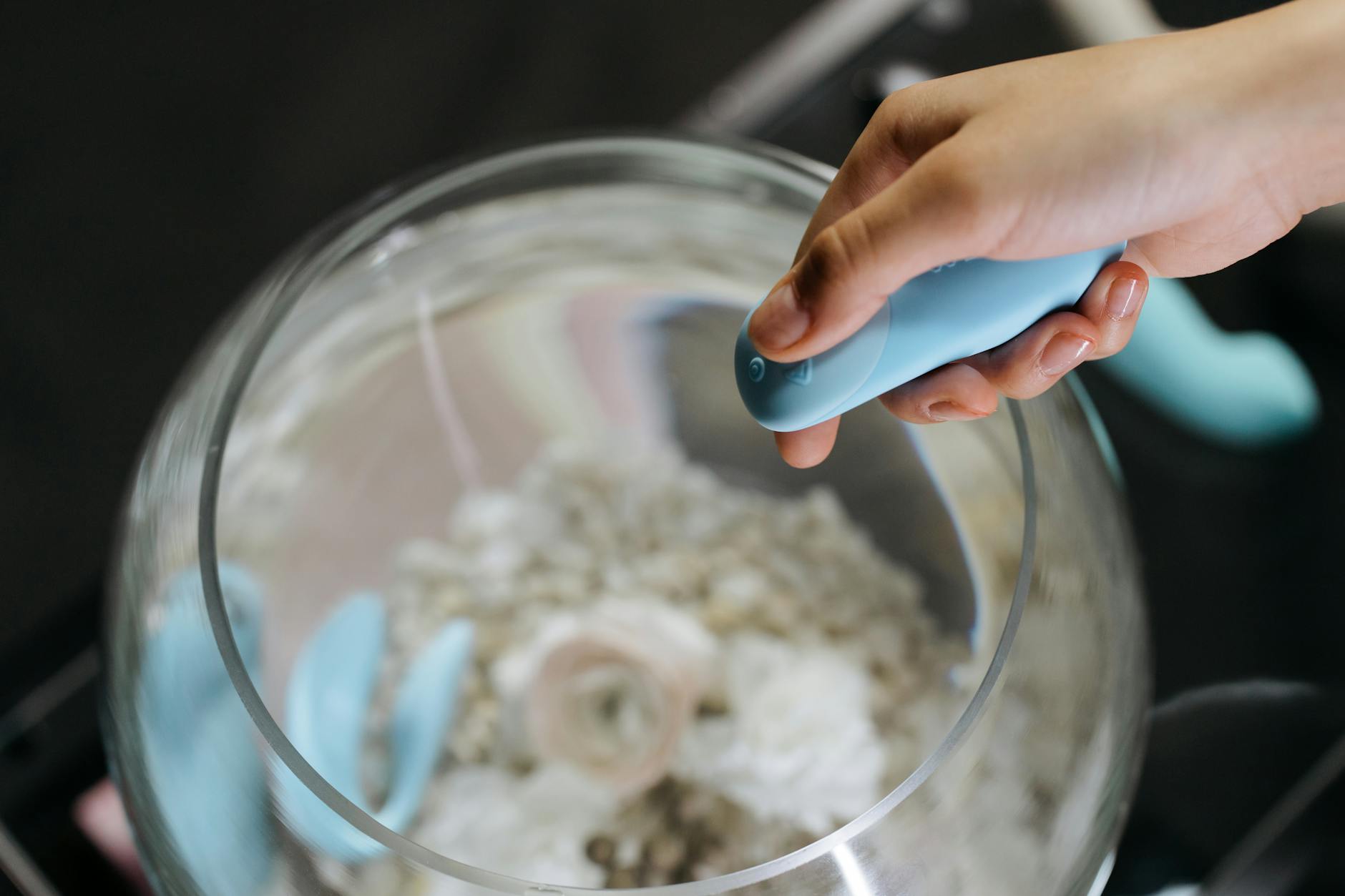
Sensitive skin and pleasure don't have to be at odds. If you live with eczema, psoriasis, dermatitis, or just skin that reacts to friction, you've probably written off vibrators as something "not for you." That's understandable. Traditional vibrators can trigger flare-ups, irritation, or weeks of regret for one moment of connection. But here's what most people don't know: lemon vibrators, with their air-suction design, work differently than friction-based toys. And that difference can be everything.
I work with clients regularly who've had to rebuild pleasure around skin conditions. The shift from shame ("my body isn't normal") to strategy ("here's how I can have this") changes everything about intimacy and self-trust.
Most vibrators rely on motor-driven friction against tissue. That vibration, while pleasurable for many, can trigger a cascade of problems if your skin is compromised. Eczema means the barrier function of your skin is already weakened. Psoriasis means inflammation is running high. Dermatitis means you're dealing with reactive, angry tissue. Add direct friction to any of that, and you're not getting pleasure. You're getting a flare-up that lasts days or weeks.
When friction-based vibrators meet sensitive skin, you're also dealing with heat buildup, sweat trapping bacteria under the device, and the mechanical stress of repeated contact. Your vulva skin is thinner and more delicate than almost anywhere else on your body. If you wouldn't run a buzzing toy over inflamed skin on your arm, it makes sense you're hesitant about doing it where tissue is even thinner and more reactive.
That's the trap many people end up in: abstinence, not because of desire, but because the tools feel dangerous.
Instead of vibration, lemon vibrators use gentle suction and release. The technology is called pulsed air stimulation. No motor grinding. No friction. No heat buildup. Instead, the sensation comes from a rhythmic pulse that creates a gentle squeeze-and-release pattern against the clitoris.
For someone with sensitive skin, this is radical because it bypasses the main irritant: direct mechanical friction. You're not rubbing. You're stimulating through negative pressure and gentle suction. The silicone itself never moves against your skin in the aggressive way a traditional vibrator does.
Second, air-suction toys are typically covered in premium medical-grade silicone. That material is inherently less reactive than some other toy materials. It doesn't harbor bacteria the way porous materials do. It doesn't off-gas chemicals. And it's easier to clean and maintain in a way that minimizes flare-ups.
Third, the sensation feels different neurologically. Because there's no buzzing vibration, you're activating different nerve pathways. Many clients with sensitive skin report that lemon vibrators feel more intense and satisfying despite (or because of) the lack of aggressive stimulation.
If your skin condition is currently flaring, pause. Not forever. Just until the acute phase settles. Trying to use any toy on actively inflamed tissue is setting yourself up for setback. A week or two of patience now prevents a month of regret later.
Once you're in a stable phase:
Check your lubricant first. This is non-negotiable. Use only hypoallergenic, fragrance-free water-based lubricant. Brands like Sliquid H2O or Yes Water-Based are formulated to be gentle on reactive skin. Avoid anything with glycerin (feeds yeast), parabens (irritant), or essential oils (sensitizing). Silicone-based lubes are richer but can trap heat and bacteria, which is the opposite of what you need. Stick with water-based.
Test the lube on a small patch first. Not romantic, but it works. Apply a tiny amount to your inner arm or inner thigh and wait two hours. If there's any redness, itching, or irritation, find a different brand. Your vulva skin is more sensitive than your arm, so if it reacts there, it'll react below.
Wash your hands and the toy. Before every use. Bacteria love inflamed skin. Hot water, unscented soap, and clean hands are your baseline hygiene. Dry completely with a clean towel.
Honestly though, your first time might feel anticlimactic. That's not a failure. That's your nervous system figuring out what's happening.
Start with the lowest setting. On a Hello Nancy lemon vibrator, that's setting 1. Spend a full five minutes just getting used to the sensation. This isn't foreplay yet. It's familiarization. Your skin is learning that this is safe. Your brain is learning what the sensation feels like. Rushing into high intensity defeats the entire point of starting slow.
If after five minutes there's no redness, no irritation, and the sensation feels neutral or good, move to setting 2. Stay there for another few minutes. You're building tolerance and pleasure simultaneously.
Stop immediately if you feel:
Burning or sharp pain (not pressure, not intensity, but actual pain)
Sudden redness or swelling
Itching that feels reactive rather than pleasurable
Any sensation of the device pulling or tugging skin
That's your skin talking. Listen to it. You can try again tomorrow or in a few days. This isn't a sprint.
Over a few sessions, your body will start sending you clearer signals. Pleasure will feel less like "is this safe?" and more like actual sensation. You might notice that settings 2 or 3 feel better than setting 1. You might find that after ten minutes of play, you can go higher without irritation because your tissues are warmed up and engaged.
Here's what most people don't talk about: once you find your rhythm with a lemon vibrator, the sensation often feels more intense than traditional vibrators ever did. That's because you're not being distracted by friction anxiety. Your nervous system can settle into pleasure instead of threat assessment.
Many of my clients with skin conditions report that they actually prefer air-suction toys even after their skin settles. The sensation is cleaner. The safety profile is higher. The cleanup is easier. Once you switch, you rarely go back.
Sensitive skin isn't linear. You might have weeks of perfect skin and then a sudden flare from stress, diet, detergent change, or nothing you can identify. This is normal, and it doesn't mean the lemon vibrator is wrong for you. It means you're managing a chronic condition.
If a flare happens, take a break from any toy use until the acute inflammation settles. Use this time to focus on other kinds of intimacy: touch, conversation, skin-to-skin contact without toys. Pleasure isn't one-dimensional. When one avenue is temporarily closed, other doors open.
If you notice a pattern where flare-ups happen specifically after toy use, talk to a dermatologist. You might need a different lubricant, a longer warmup period, or a lower intensity cap. Sometimes the issue isn't the toy. It's the prep work.
After each use, rinse the lemon vibrator with hot water and unscented soap. Dry it completely with a clean microfiber cloth. This removes lubricant residue and bacteria. Store it in a cool, dry place away from direct sunlight. Silicone degrades with heat and UV exposure.
Don't store toys in closed containers that trap moisture. A clean drawer with a breathable pouch is perfect. Every few weeks, wipe it down with a toy cleaner designed for sensitive skin, or use diluted vinegar (one part vinegar, three parts water) and dry immediately.
Clean storage matters because any bacteria or mold growth becomes an irritant the next time you use it. Your skin is already compromised. You're not adding complexity.
Using pleasure as someone with sensitive skin requires letting go of guilt. Not because flare-ups aren't real (they are), but because navigating your pleasure carefully is not the same as depriving yourself. You're not less sexual or less deserving because you need slower, gentler tools.
I've worked with clients who felt broken for years because standard vibrators triggered flare-ups. Once they switched to a lemon vibrator and gave themselves permission to go slow, everything shifted. Pleasure stopped feeling like a threat to their body. It started feeling like an act of self-care.
Your body isn't wrong. The tool was just wrong. Now you know better.
Not on actively flaring skin, no. Wait until the acute inflammation settles into a stable phase. Using any toy on raw, inflamed tissue sets you back. Once your skin stabilizes, you can start slowly with the lowest setting and watch for any reaction. Patience here prevents weeks of regret.
For many people, no. The air-suction design avoids the friction that typically triggers flare-ups. That said, everyone's psoriasis responds differently. Start with the lowest setting, use plenty of hypoallergenic lubricant, and monitor your skin for 24 hours after. If no flare happens, you've found something that works. If one does, you have useful information and can try again in a week or two.
Talk to your dermatologist first, but true silicone allergies are rare. What's more common is reactivity to additives in poorly made silicone. Hello Nancy uses medical-grade silicone with minimal additives. If you've had reactions to other silicone toys, mention the brand name to your doctor. That said, if silicone is genuinely off-limits, you might need to explore non-silicone materials or talk to a sex therapist about other ways to experience pleasure.
Wait until your skin feels normal to the touch and looks normal visually. For mild flares, that might be three to five days. For bigger ones, a week or two. Your skin will tell you. When the itching stops and inflammation visibly reduces, you can try again on the lowest setting.
Yes, absolutely. The right lubricant (hypoallergenic, fragrance-free, water-based) creates a barrier between the toy and your skin. It also reduces friction and heat. Always use it, even if you don't feel dry. It's preventive, not just responsive.
Contact dermatitis can be tricky because it depends on what triggers it. If the trigger is friction, lemon vibrators are your answer. If the trigger is a specific material or lubricant ingredient, you'll need to find products you're not allergic to. Work with a dermatologist to identify your trigger, then choose a toy and lube that avoid it. Once you've cracked that code, pleasure is totally possible.
Sensitive skin doesn't disqualify you from pleasure. It just means you get to be intentional about it. A lemon vibrator is built for exactly this kind of thoughtful, gentle play. Start low, go slow, listen to your body, and give yourself credit for the care you're taking. Your skin, and your pleasure, will thank you.