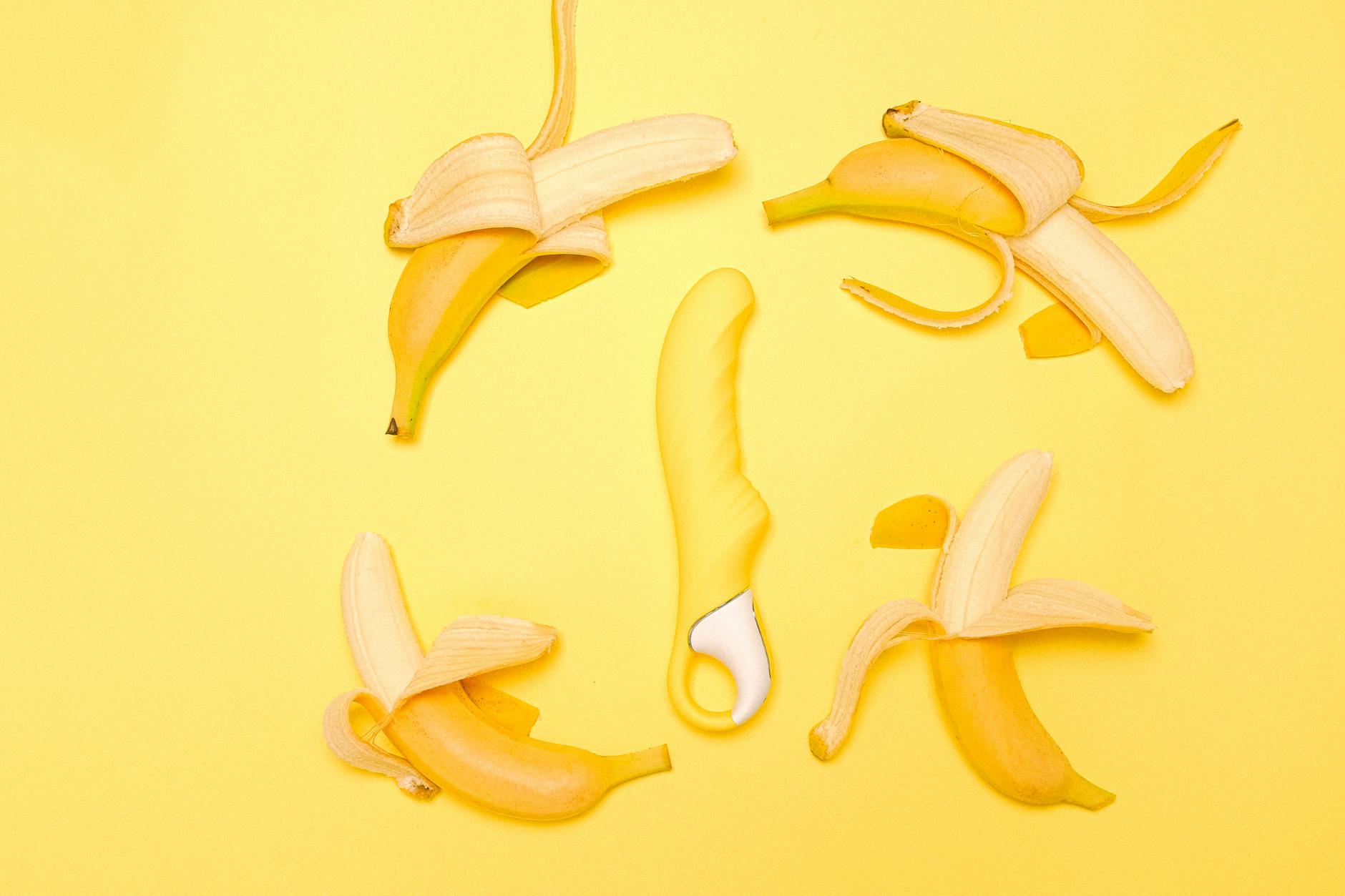
Most people who buy a lemon clitoral vibrator start on setting one and stay there forever. Which is fair, honestly. You're exploring something new, you're not sure what you like, and jumping straight to high intensity can feel a bit much. But here's the thing: staying locked on the same setting means you're not actually experiencing what your lemon vibrator can do.
The intensity range on a lemon sucker like the Lem exists for a reason. Different settings aren't just "stronger" or "weaker." They create completely different sensations, work with your body's arousal curve in different ways, and unlock pleasure pathways that a single speed will never reach.
I've worked with hundreds of people navigating pleasure, and the conversation almost always goes the same way. "I tried it on two and it was fine" becomes "Wait, you want me to try four?" becomes "Oh my god, why didn't anyone explain this before?" Intensity progression matters, and knowing how to use the full range of your device is actually a skill.
Lemon vibrators don't have multiple intensity levels because the manufacturer was trying to overcomplicate things. They exist because pleasure is not a straight line.
Low intensity (settings 1-2) works your nerve endings with gentleness. This is where you build baseline arousal, warm up tissue, and let your body ease into sensation. Low intensity is also where people with sensitive tissue, those recovering from trauma, or anyone on the autism spectrum often finds their sweet spot. There's no shame in that. Full stop.
Mid intensity (settings 3-5) is where most of the lemon vibrator magic happens. This is the range where suction sensation becomes pronounced without being overwhelming. The vibration frequency hits the clitoris in a way that feels like building momentum rather than jolting pressure. Many people find their orgasm happens here, or at least the pathway to it starts here.
High intensity (settings 6-8) is not "better." It's different. High intensity can feel intense, sharp, or overwhelming to some bodies. To others, it's the only way to tip over into orgasm. High intensity is also useful when you're already highly aroused and want a faster finish, or when you've been building for a while and need to break through a plateau.
Here's what I tell people to actually try: treat intensity like foreplay, not just a volume dial.
Start at setting one or two for 3-5 minutes. Don't rush. Your body needs time to recognize stimulation and send blood flow to the clitoris. Rushing past this phase means you're fighting against your own nervous system.
Move to setting three or four. Spend another 3-5 minutes here. This is where you'll probably start to feel a real difference. Suction patterns become more obvious. Your body's natural lubrication increases. This is the range where most clitoral vibrators do their best work, because you've got enough intensity to feel the pattern without so much force that it numbs sensation.
If you want to go higher, drift up to five or six. Stay for 2-3 minutes. Notice what changes. Does it feel better, or just more intense? Those are different things. Better means your body is responding with more arousal. More intense just means more vibration.
The whole progression should take 15-25 minutes depending on your body and your mood. Yes, that's longer than you probably think. Pleasure is a practice, not a race.
You don't have to stay on one setting from start to finish. In fact, staying on one setting is exactly why you plateau.
If you feel your arousal stalling, dip back down one level for 30 seconds. This creates contrast, which wakes up nerve endings that were getting used to the current stimulus. Then move back up. The change itself becomes part of the sensation.
If you're approaching orgasm but feel stuck just before the edge, sometimes a jump up by two or three settings will push you over. Other times, dropping intensity slightly actually lets you tip. You have to experiment here. Your body is not a machine with one correct setting.
Many people also find that they need different intensity ranges depending on where they are in their cycle. During the follicular phase, lower intensity might feel perfect. During the luteal phase, higher intensity might be what actually works. Keep notes if you're curious about your own pattern.
One of the most common friction points I see is the plateau phase of arousal. Your body builds sensation, then gets stuck. You're not more aroused, you're not less aroused. You're just... waiting.
This is where most people either give up or just keep grinding on the same setting until they're numb. What actually works better is a deliberate intensity shift. Drop down. Breathe. Then go back up. The nervous system response to the change is what often breaks the plateau.
You can also layer intensity changes with positional changes. Shift your angle slightly while also bumping the setting. The combination of physical position change and sensation intensity change is often what tips arousal from plateau into climbing again.
Some bodies never want to go above setting three on a lemon vibrator. Some people find high intensity actively numbing. Some have nerve sensitivity that means high settings feel painful rather than pleasurable.
There is nothing wrong with this. Your maximum intensity is not a failure or a limitation. It's information about your body. Honoring that matters way more than reaching the highest number on the dial.
Low intensity pleasure is still pleasure. A five-minute orgasm on setting two is not less legitimate than a two-minute one on setting six. The goal is sensation that feels good to your body, not sensation that impresses someone else or matches someone else's preferences.
Your sensitivity to intensity is not fixed. It changes based on stress, hydration, sleep, where you are in your cycle, how much pressure you're putting on yourself, and about a hundred other factors.
Setting four might feel perfect today and absolutely overwhelming next week. This is not your device failing. This is your body being a living system, not a machine. The more you practice moving through the intensity range instead of locking onto one setting, the more you adapt and the more information you get about what you actually need in any given moment.
If you're exploring a lemon vibrator for the first time as a beginner, giving yourself permission to stay on low intensity while you learn is important. And as you get more familiar with your device, expanding your range becomes easier and more natural.
Here's what most people miss completely: intensity and pattern are separate variables.
A lemon clitoral vibrator like the Lem has different patterns, but the intensity dial changes how those patterns feel. Pattern five on setting two feels totally different than pattern five on setting six. Intensity affects not just how strong the sensation is, but which part of your clitoris responds, how the suction feels, and whether the pattern feels like waves or pulses.
Don't just stick with one pattern at one intensity. Try pattern three at multiple intensity levels. You might discover that the same pattern at setting four feels incredible while setting six on the same pattern feels weird. That's exactly the kind of personal data that makes pleasure better.
Intensity does not equal pleasure. Stronger does not equal better. A lot of marketing around adult toys suggests that the highest settings are the "best," which is marketing nonsense designed to make you feel like you're getting the most for your money.
You're getting the most for your money when you're using your device in a way that actually feels good to your specific body. That might be settings two and three, or it might be seven and eight. Both are fully valid. Both are you using your device correctly.
The people I work with who report the most satisfying pleasure experiences are not the ones who push to the highest intensity. They're the ones who got curious about the full range, experimented without judgment, and found the combination of settings, patterns, and techniques that made their body respond. That's the real skill.
Numbness at high intensity usually means one of three things. First, you might be applying too much direct pressure. The Lem works better with gentler contact. Second, you might be staying at high intensity too long, which causes nerve adaptation. The solution is dropping down for 30 seconds, then going back up. Third, you might genuinely respond better to lower intensity. That's not a flaw. That's your body telling you what it needs.
Lem vibrators are engineered to be safe at all intensity levels. That said, sustained high intensity can cause temporary numbness or mild irritation if you're applying heavy pressure. Use light contact, take breaks between sessions, and listen to your body. If something hurts (not just feels intense, but actually hurts), stop and drop to a lower setting.
No. There's no achievement ladder here. If your body prefers lower intensity, that's your baseline. You don't need to "work your way up" to higher settings. Some people never go above setting three, and their pleasure is completely valid. The intensity that works for your nervous system is the right one.
There's no rule, but most people benefit from 3-5 minutes per level when they're warming up. If you're building toward orgasm, you might spend longer at mid-intensity (where most of the action happens) and shorter at high intensity. The more familiar you become with your body's response, the better you'll sense when it's time to shift.
Yes, running your lemon vibrator on higher settings uses battery faster than lower settings. If you notice shorter battery life, you might be spending more time on higher intensity than you realize. It's not a problem, just something to know about if you're planning longer sessions.
Completely normal. Hormonal shifts, stress levels, relationship dynamics, sleep, and dozens of other factors affect what intensity your body wants at any given time. Tracking what works month to month is actually useful data. Some people find they prefer lower intensity in high-stress periods and higher intensity when they're relaxed and well-rested.
Here's what using intensity settings well actually comes down to. It's not about reaching the highest number or finding some magic combination that works the same way every single time. It's about building a habit of checking in with your body, noticing what feels good in this moment, and being willing to adjust.
Your pleasure matters. The settings on your lemon vibrator are tools designed to give you options. Using them intentionally, without judgment, is how you actually experience what your device can do. Start low, explore the middle range, and stay curious about what your body is telling you at every level.
If you want personalized guidance on using your device or have questions about what might work best for your specific situation, reach out. That's what I'm here for.