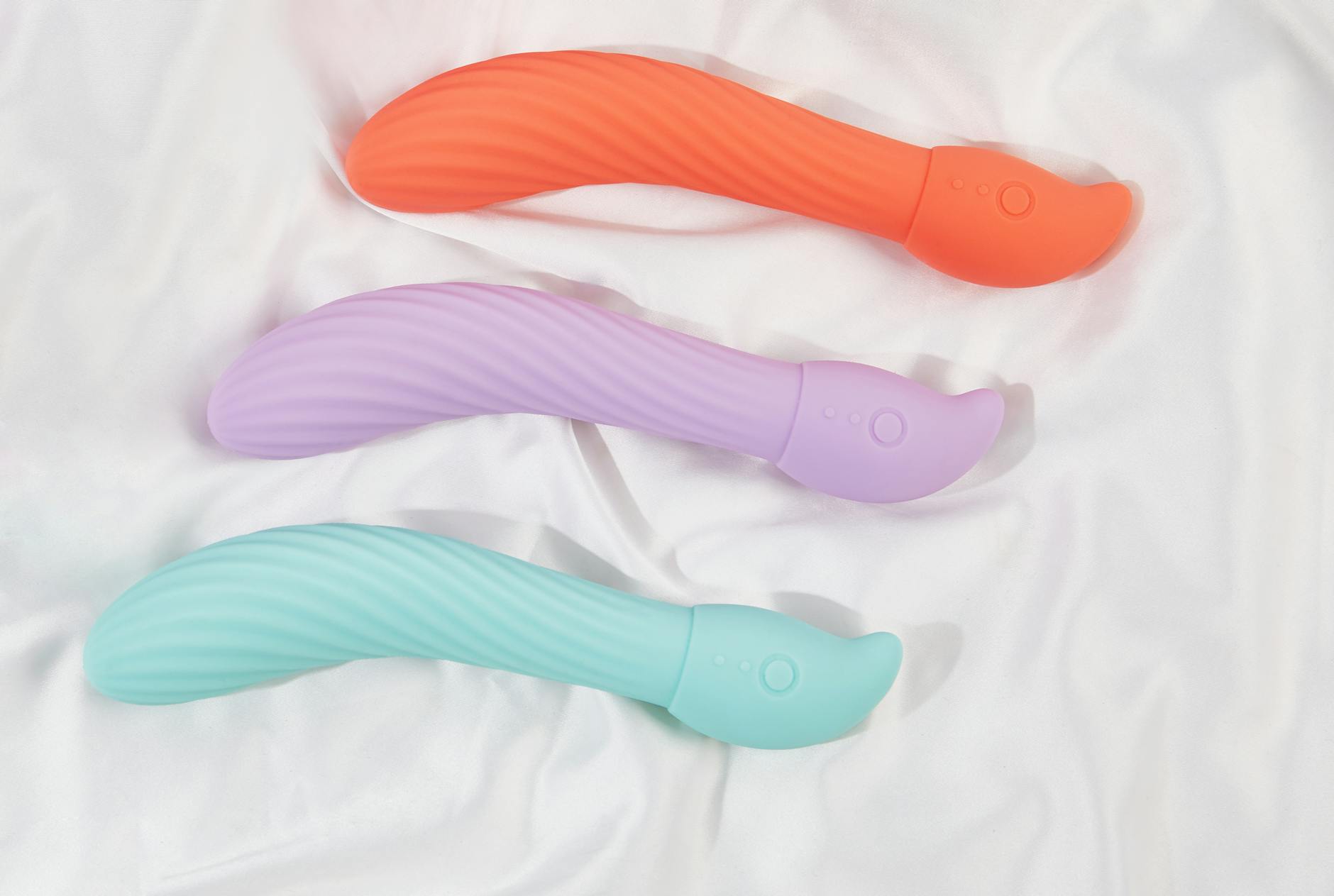
How Lemon Vibrators Feel Different After Certain Medications
Medications rewire arousal, orgasm, and sensation. What actually changes, which drugs matter most, and how lemon clitoral vibrators work with your body's new wiring.
Honestly, if you've started a new medication and suddenly your pleasure feels flatlined, muted, or just... not quite there, you're not broken. Your brain chemistry shifted. That's real. And it matters.
Here's what I see in my practice: people blame themselves for reduced sensation or orgasm difficulty when the actual culprit is sitting in their medicine cabinet. The good news? Lemon clitoral vibrators, with their air-suction design, often outperform traditional vibrators when medication has changed how your body responds to stimulation. The technique works differently. Your baseline might have shifted. But pleasure is still absolutely possible.
Let's talk about which medications hit hardest, what's actually happening, and how to recalibrate.
Several drug classes flatten pleasure in predictable ways. The mechanism matters because it tells us whether the issue is reversible and which tools help most.
Antidepressants (SSRIs especially). Selective serotonin reuptake inhibitors like sertraline, paroxetine, and fluoxetine are among the most common culprits. They increase serotonin, which is great for mood but absolutely kills the dopamine spike that triggers arousal and orgasm. About 40% of people on SSRIs report sexual side effects. Paroxetine is the worst offender. Sertraline tends to be gentler. But the brain rewiring is real either way.
Blood pressure medications. Beta-blockers and ACE inhibitors reduce the blood flow surge needed for arousal. Erection quality might tank. Lubrication might slow. The clitoral and genital tissues literally get less blood delivery, so sensation feels duller.
Hormonal contraceptives. Birth control pills suppress testosterone production, which drops desire and genital sensitivity. Many people don't clock this connection because they've been on the pill so long they think this is just their baseline. It's not.
Antipsychotics and mood stabilizers. Medications like risperidone, quetiapine, and lithium absolutely gut sexual function. They're heavy hitters. If you're on these and notice changes, do not stop taking them to test the theory. Talk to your prescriber about timing or alternatives.
Opioids. These suppress sex hormone production and numb sensation. Chronic opioid users often describe a complete flattening of sexual interest and response.
The mechanism isn't one-size-fits-all. Sometimes it's blood flow. Sometimes it's neurotransmitter. Sometimes it's hormone suppression. But the outcome is similar: arousal takes longer to build, orgasms feel harder to reach or less intense, and the whole experience feels muffled.
Let me be clear: no vibrator is a magic fix for medication side effects. But the design of air-suction lemon clitoral vibrators does something traditional vibrators can't.
Traditional vibrators rely on rapid oscillation. Your clitoris has to register that movement as pleasurable. When medication has dulled sensation or slowed arousal, you often need either higher speeds (which gets uncomfortable) or longer warm-up time (which gets frustrating).
A lemon sucker or lem vibrator uses gentle air pulsing. It creates rhythmic suction and release rather than friction. This stimulates a different set of nerve endings and works particularly well when:
Sensation feels muted but not gone
Your tissues are sensitive or irritated
You need a gentler approach to reach orgasm
You're rebuilding arousal from a dampened baseline
The lemon vibrator technique essentially bypasses some of the neurological static that medication has introduced. You're not fighting against flattened dopamine response as hard. The sensation registers differently in your body.
When you take your medication relative to intimacy changes everything. If you take an SSRI in the morning, afternoon sex might feel more responsive than evening sex when the drug is peaking in your bloodstream. If you're on a birth control pill, ovulation-adjacent moments (yes, even on hormonal contraceptives, your body creates mini-fluctuations) might give you a window of slightly better sensation.
I'm not saying game the system by skipping doses. Never do that. But being strategic about timing and understanding your medication's peak window helps you choose moments when your body has a little more responsiveness to work with.
If you're on a new medication and the sexual side effects are severe, have that conversation with your prescriber before assuming it's permanent. Sometimes adjusting the dose, changing timing, or switching to a different drug in the same class makes a huge difference. Sertraline is generally considered more sex-friendly than paroxetine. Some antidepressants like bupropion actually enhance sexual function.
When medication has slowed arousal, the quickest route to frustration is skipping foreplay. I know. Nobody wants to hear that. But here's the reality: your brain needs more time to send arousal signals through whatever medication is filtering them.
Budget 20-30 minutes before touching the lemon vibrator or any toy. This isn't wasted time. This is your nervous system catching up. Mental arousal (fantasy, imagination, partner connection) often works even when physical sensation feels sluggish. Lean into that.
When you finally introduce a lemon clitoral vibrator, start at the lowest setting. Wait. Let your body recognize the sensation. Gradually increase. The goal isn't to override numbness with intensity. It's to let your nervous system register what's happening without overwhelming it.
Talk to your doctor. Not as a threat to stop the medication, but as a real conversation. "Since starting this drug, my sexual response has changed. Are there alternatives or timing adjustments that might help?" Many prescribers expect this question. They have answers.
Don't blame yourself. This isn't about your body being broken or your relationship lacking spark. This is chemistry. Specific and fixable.
Give it time. Your nervous system usually adapts within 4-6 weeks of starting a new medication. Before swapping to a lemon sucker or any new toy, give your body that adjustment window. Then, if sensation still feels flat, a lemon vibrator designed around different stimulation principles might unlock something traditional toys haven't.
Medication changes don't have to mean the end of pleasure. They mean adapting your approach and sometimes trying a different tool.
If sexual dysfunction from medication is severely affecting your quality of life, ask about seeing a sex therapist or a prescriber who specializes in sexual side effects. Some antidepressants have genuinely better sexual profiles. Some doses can be adjusted. Some people benefit from adding a second medication that counteracts the sexual side effects (bupropion is sometimes used this way).
Don't suffer silently waiting for adaptation that might not come on its own.
Yes, but recognize that the first few days or weeks will be an adjustment period. Your sensation baseline is shifting. The lemon clitoral vibrator will still work, but you might not feel the "best" version of it until your body has had time to stabilize on the new medication.
Absolutely. Alcohol dampens arousal on its own. Combined with a medication that's already slowing things down, you're basically doubling the effect. If you want maximum responsiveness, skip the cocktail before intimacy.
Possibly. Many people do, after 4-6 weeks of adaptation or with a dose adjustment. Some people find they feel differently but not worse. Different isn't bad. It's just different. A lemon vibrator can help you explore what this new baseline actually offers.
No. Talk to your prescriber instead. Stopping antidepressants or mood stabilizers abruptly can be dangerous. There are usually alternatives or adjustments that don't require stopping.
Lemon clitoral vibrators use air suction, which is their distinguishing feature. Other lemon adult toys might work differently. The lem vibrator specifically is designed around this principle, and that design is what makes it particularly useful when medication has changed your baseline responsiveness.
Yes. In fact, many couples find that using a lemon clitoral vibrator together during foreplay actually reignites connection when medication has dampened one partner's arousal. It's a tool, not a replacement for intimacy.
Medication changes your nervous system. That's not a failure of your body or your relationship. It's neurology. And neurology is addressable. Start with a conversation with your prescriber. Give your body time to adapt. When you're ready to explore with a tool, a lemon sucker or lem vibrator offers a different approach than what you might have tried before. Many people find that the air-suction design works better when medication has shifted their baseline sensitivity.
Your pleasure matters. It's worth the conversation. It's worth the adjustment. And it's absolutely worth exploring what works for your body right now.