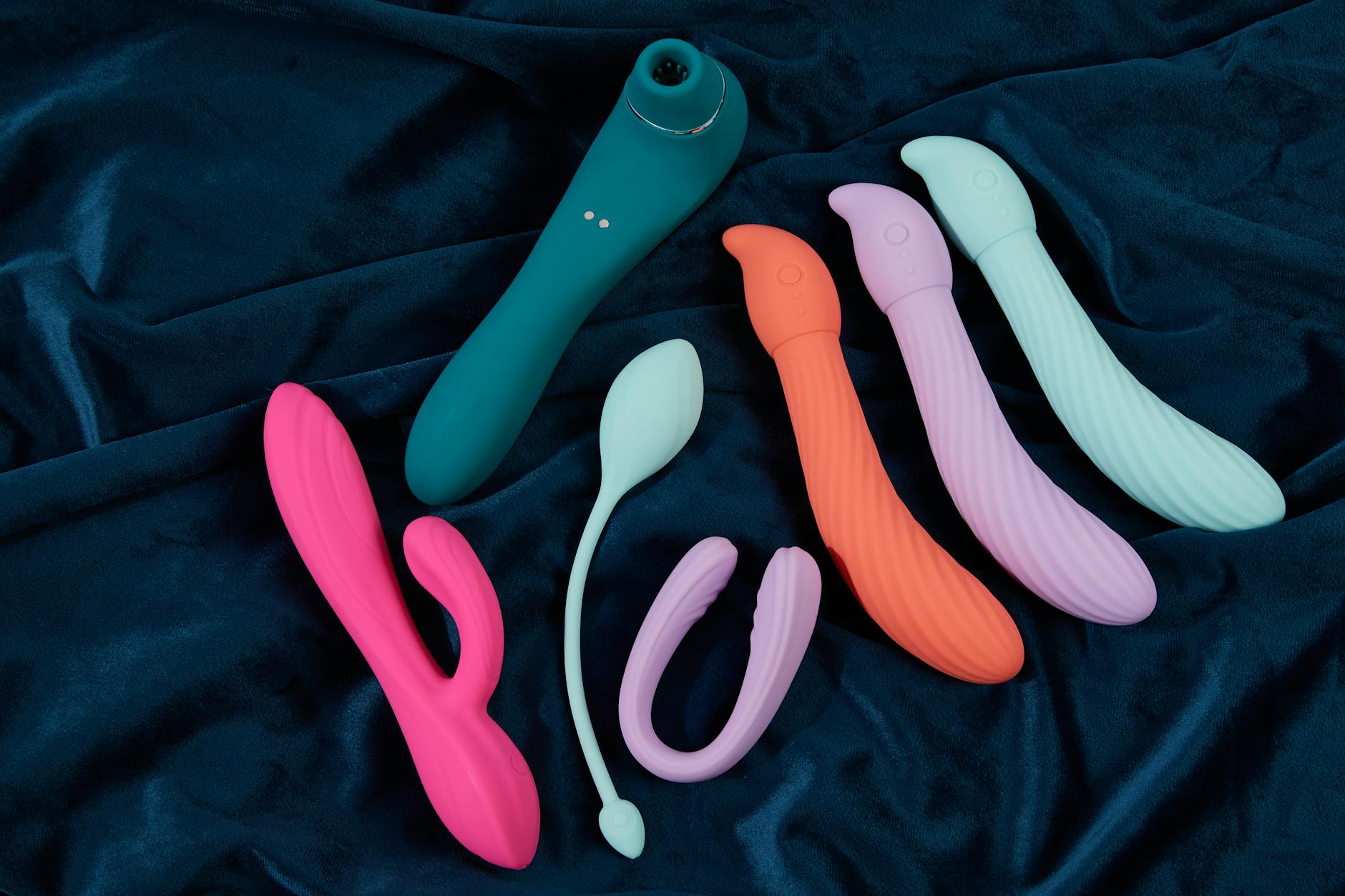
Why Lemon Vibrators Feel Different for Women With Low Libido From PCOS
PCOS kills desire and arousal in specific ways. Here's what changes, why lemon clitoral vibrators respond differently to your body, and how to rebuild pleasure without forcing it.
PCOS doesn't just mess with your cycle and skin. It tanks your libido. And if you've been told the problem is psychological, or that you need to just relax more, or that you should want sex more because your partner does, you're not broken. Your hormones are genuinely working against you.
The thing about PCOS is that it's not one problem. It's multiple hormonal chaos happening simultaneously. And that chaos absolutely changes how pleasure feels in your body. Most of what you've heard about vibrators and arousal assumes a baseline hormonal picture that doesn't exist for you.
PCOS means your body produces too much androgen (yes, that hormone), but also often not enough progesterone. This combination does three specific things to desire:
First, it tanks dopamine sensitivity. Dopamine is the primary driver of sexual motivation. Your brain literally gets less interested in the idea of sex because the neurochemical incentive isn't firing correctly. This isn't laziness. It's biochemistry.
Second, elevated insulin (which most PCOS bodies struggle with) creates inflammation throughout your system. Inflammation reduces blood flow to the genitals, which means arousal builds more slowly and less intensely. Your clitoris might feel less responsive, even when you're mentally interested.
Third, the hormonal imbalance often tanks confidence. Acne, hair growth, weight changes, irregular periods, fatigue. All of it is visible and exhausting. It's hard to feel sexy when your body feels actively hostile to you.
Here's what this means for pleasure: you're not less capable of orgasm. But getting there takes a different approach than it might for someone without PCOS.
Tradditional vibrators rely on a fast build of physical arousal. They assume your body will respond to intensity pretty quickly. They're designed for the peak-and-release model.
But PCOS bodies often need something gentler that doesn't depend on fast arousal escalation. The good news is that lemon clitoral vibrators, especially suction-based ones like the Lem, work on a completely different principle. They stimulate nerve clusters without requiring the same quick physical response.
Lemon vibrators work by creating rhythmic pressure changes rather than friction or vibration alone. This means your body can build arousal more gradually, without the frustration of a toy that feels too aggressive for where you're starting from.
For PCOS specifically, this matters because your arousal is already starting lower. You don't need a toy pushing harder. You need one that meets you where you are and works with your body's actual timeline.
Here's the part nobody says out loud: if you have PCOS, you probably already feel guilty about not wanting sex. Your partner might feel rejected. You might feel like you're failing at the relationship or failing at being a woman. That guilt is its own arousal killer.
Bringing any toy into that emotional context is pointless. The lemon clitoral vibrator isn't going to fix emotional exhaustion or resentment. So first: you need permission to not want sex right now. That's not a character flaw. That's a symptom.
Once that permission is in place, the Lem becomes useful. It's a tool for reconnecting with pleasure on your own terms, not for performing arousal you don't feel.
If you're with a partner, the conversation needs to happen before any toy arrives. "I'm working on rebuilding my own desire because my body is working against me" is a very different conversation than "I want to want you more." One is about healing. The other is about obligation.
Start with solo exploration, full stop. Your body doesn't owe anyone an arousal display right now. Use the Lem alone first. No pressure, no audience, no timeline. This is about recalibrating your own nervous system, not proving anything.
Use it when you feel even a whisper of interest. Don't wait until you're super turned on. PCOS bodies often don't get there. Start when you feel curious, or when you're just okay with the idea. That's enough.
Keep sessions short. Fifteen to twenty minutes maximum, especially at first. PCOS fatigue is real. If your system gets tired, stop. This shouldn't feel like another obligation.
Expect patience. Your dopamine pathways aren't firing normally. Your body is genuinely running lower on desire fuel. Rebuilding arousal capacity takes weeks, not days. That's not pessimism. That's realistic.
Here's the awkward part nobody wants to admit: if your PCOS is poorly controlled, if your insulin is high and your inflammation is spiking, no vibrator is going to feel magical. The physical substrate just isn't there.
If pleasure stays weirdly flat despite trying, ask your doctor about insulin resistance testing, and consider consulting with a PCOS-informed nutritionist or endocrinologist. Sometimes the most important thing for your libido isn't a better toy. It's better metabolic control.
I'm not saying fix your blood sugar to earn the right to pleasure. I'm saying that if your body is fighting you at a chemical level, pleasure will always feel like pushing uphill. Addressing that makes everything easier, including how vibrators feel.
If you're partnered, your partner needs to understand that your low libido isn't about them. It's also not something they can fix by being "more romantic" or "trying harder." PCOS isn't a relationship problem. It's a hormonal condition that affects your relationship.
Your partner's job isn't to make you want sex. Your job isn't to want sex on their schedule. Both of your jobs are to figure out what intimacy looks like when desire isn't leading the way.
Maybe that's scheduling time together without pressure. Maybe it's expanding what "intimacy" means beyond intercourse. Maybe it's using the Lem together as a way to reconnect without expectation. The specific answer matters less than the permission structure around it.
Your PCOS is not a character flaw. Your low libido is not laziness. Your body is doing exactly what that hormonal imbalance tells it to do.
PCOS isn't something you cure with a vibrator, obviously. But rebuilding pleasure capacity is part of rebuilding yourself while living with PCOS. It's not frivolous. It's not luxury. It's reclaiming a part of your life that the condition tried to take.
The lemon clitoral vibrator works for PCOS bodies because it doesn't demand the quick, intense arousal your body might not be producing. It works with the timeline you're actually on. And sometimes that's the only difference between a toy that feels pointless and one that feels like permission.
No. PCOS is a chronic hormonal condition. But it can be managed. With lifestyle changes, medications, and proper support, symptoms often improve significantly. Some people's PCOS becomes much more manageable. That improvement usually means libido improves too.
Absolutely. Those medications help regulate the hormones that are tanking your desire. As they work, your baseline arousal might actually improve. The Lem or other lemon clitoral vibrators work alongside your medication, not against it. They're just a tool to reconnect with pleasure while you're healing.
Every person is different, but most people notice some shift within four to eight weeks of consistent solo exploration. That's not a promise. That's a range. Your nervous system is recalibrating. That takes time. Pushing harder doesn't speed it up.
Not necessarily. If your PCOS is treated, if your insulin improves, if your inflammation comes down, desire often returns naturally. And even if it doesn't spike back to pre-PCOS levels, that doesn't mean you can't have a rich, satisfying pleasure life. It just looks different.
That depends on your relationship and your comfort. If you're in a trusting partnership, honesty usually helps. It reframes the toy from "you're not enough" to "I'm working on myself." If you need privacy first, that's okay too. Rebuild your own connection to pleasure solo first. Bring the partner in when you're ready.
Toys can't fix hormonal dysfunction. If your current treatment isn't working, talk to your doctor about different birth control options, or about adding spironolactone, inositol, or other PCOS-specific treatments. But alongside proper medical care, yes, lemon adult toys can help you reconnect with pleasure while your hormones stabilize.
If your libido completely disappears despite treated PCOS, ask about testosterone. Yes, really. PCOS bodies sometimes need testosterone support, and it's a valid treatment option. If desire stays flatlined, that's worth exploring with an endocrinologist who understands PCOS and sexuality.
PCOS is not your fault. Your low libido is not a moral failing. Your body is simply responding to the hormonal environment it's in. The lemon clitoral vibrator works for PCOS because it doesn't demand what your body can't deliver right now. It meets you where you are. And that, weirdly, is exactly where healing starts.
Ready to rebuild? Start with solo exploration, give yourself weeks, and remember that this is about reclaiming pleasure on your own terms, not performing desire you don't feel. If you have questions or want more support, reach out. We're here.