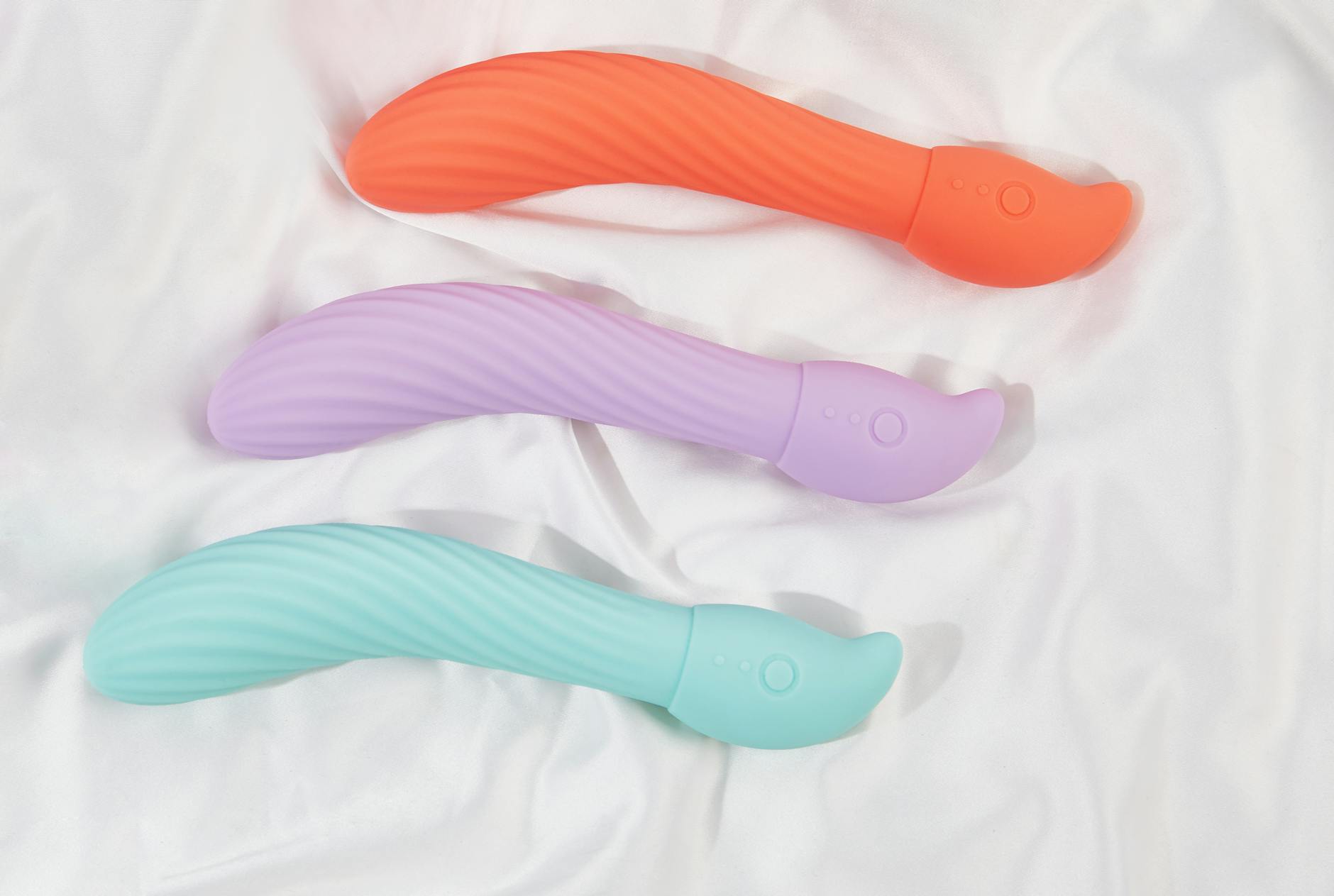
How Lemon Vibrators Compare to Traditional Vibrators for Clitoral Pleasure
Lemon clitoral vibrators use suction technology instead of vibration, which delivers a completely different sensation and often stronger, faster orgasms. Here's what actually changes.
If you've only ever used a traditional vibrator, a lemon clitoral vibrator might feel like discovering a whole new category of pleasure. That's because it is. The difference isn't marketing spin. It's technology. Standard vibrators move back and forth really fast. Lemon vibrators use gentle suction that stimulates your clitoris without direct contact. That single difference ripples through everything.about how the toy feels, how fast you come, and whether it works for sensitive tissue.
A traditional vibrator creates pleasure through rapid movement against your skin. The motor vibrates at somewhere between 7,000 and 20,000 oscillations per minute, depending on the toy and the setting. Your clitoris has about 8,000 nerve endings in a space smaller than your pinky fingernail, so vibration hits all of them at once, pretty hard.
A lemon clitoral vibrator works differently. It creates a gentle seal around your clitoris and uses pulsing suction patterns to stimulate the whole area without direct friction. Think of it less like a massage and more like a soft, rhythmic pull. The sensation is concentrated but not blunt.
Here's why that matters: your clitoris has two parts. The part you can see (the glans) is just the tip. Most of it lives under the surface. Vibration stimulates the glans directly. Suction reaches deeper, activating more of the internal structure. That's why a lot of people find lemon vibrators deliver more intense or full-body orgasms, even though they feel gentler going in.
I've heard this from countless people: "I came in like three minutes and I've never done that before."
This isn't unusual. Suction-based stimulation often triggers orgasm faster than vibration, sometimes significantly faster. There are a few reasons. First, the sensation is novel. Your body isn't desensitized to it the way it might be to a vibrator if you've been using one for years. Second, suction creates a kind of building pressure that travels through the clitoris and into the pelvic floor, which can create a chain reaction toward orgasm.
A traditional vibrator is great for steady, reliable pleasure. But if you're someone who's been chasing a faster orgasm, or if you get frustrated with the slow climb, lemon vibrators often shortcut the whole process. Some people find this amazing. Some people prefer the longer ramp. Both are legitimate.
Here's where lemon clitoral vibrators genuinely shine for certain people. If you have sensitive skin, scar tissue, or a clitoris that gets overstimulated easily, direct vibration can feel sharp or even painful. The constant buzz against delicate tissue adds friction and heat.
Suction doesn't work that way. Because there's no direct friction, lemon vibrators are gentler on tissue even at higher settings. You get intense stimulation without the mechanical rawness. This matters a lot for people recovering from surgery, managing pelvic pain, or just navigating a body that's more reactive than average.
Traditional vibrators absolutely have their place. But if sensitivity has kept you from exploring toys, or if past vibrators have left you feeling sore, a lemon vibrator often changes the game.
Most traditional vibrators come with intensity levels. You turn it on at level 1, work your way up to level 5 or 10, and that's the menu. Some have a pattern or two (pulse, wave), but honestly, most people stick to steady vibration.
Lemon vibrators typically offer more sophisticated patterning. You might get 12 or more different rhythms, some that pulse, some that build and release, some that mimic more natural arousal patterns. The patterns themselves aren't magic. But if you get bored easily, or if your pleasure responds to variety, those options help.
Traditional vibrators win on simplicity. If you want something straightforward with no learning curve, a basic wand or bullet is still the move. Lemon vibrators require a little more exploration to find your favorite pattern, but that exploration is part of the fun.
Traditional vibrators are loud. Even quiet ones hum noticeably. If you're sharing a wall with someone or you have roommates, that matters.
Lemon clitoral vibrators are often quieter because they're not creating vibration. The suction mechanism is more subtle. This isn't universal (some are still audible), but it's one more thing that makes lemon vibrators appealing to people who care about discretion.
If you're using a toy with a partner, traditional vibrators create more obvious sensations they can feel if they're nearby. With lemon vibrators, the sensation is more concentrated and sealed, so there's less external vibration traveling through you. Some couples love this because it means less distraction for the partner. Others prefer the more obvious external buzz.
If you're trying to use a toy during partnered sex without it being the whole show, a lemon vibrator is often easier to integrate because it's smaller and less invasive than many wands. That said, if you and your partner are looking to introduce a lemon vibrator to your dynamic, communication matters more than the toy itself.
Traditional vibrators range from fifteen dollars to several hundred. You can grab a decent one for thirty or forty bucks. Lemon vibrators are usually in the eighty to one hundred dollar range because suction technology is more complex and requires better materials.
Does that extra cost pay off? That depends on whether the technology works for your body. If you're someone who gets consistent, intense pleasure from suction, yes. If you prefer vibration, you're throwing away money. The best toy is the one you actually use, not the one that sounds fancier.
Durability-wise, both are solid if you treat them right. Suction-based toys need regular cleaning (around the seal) to prevent mold, but that's a five-minute rinse, not a big deal.
If any of these sound like you, lemon vibrators are probably worth a test run:
You come faster with suction toys. You have sensitive tissue or past pelvic pain. You're bored with traditional vibrators and want to try something totally different. You want something quieter for discretion. You're exploring clitoral pleasure for the first time and want to try the full range of options. You want deeper, fuller orgasms instead of surface-level buzzing.
If you love your current vibrator and it works reliably, there's no reason to switch. Both categories deliver real pleasure. The goal is finding what works for you, not collecting every type.
Lemon vibrators have gotten a lot of buzz because they genuinely deliver something different. But different doesn't mean better for everyone. Some people feel nothing. Some people feel too much. Most people fall somewhere in the middle of "this is really nice and also not life-changing."
The best way to know if a lemon clitoral vibrator is right for you is to try one. And if you're researching because you're curious about the difference, that curiosity alone is worth following. Your pleasure matters, and exploring what works for your body is time well spent.
Traditional vibrators use a motor that vibrates (moves back and forth very quickly), while lemon clitoral vibrators use suction technology that creates gentle pulsing pressure around your clitoris. Think of it like the difference between a back massager (vibration) and a cupping therapy tool (suction). The sensation is completely different, and so is the path to orgasm.
Maybe. Some people find suction more effective than vibration for reaching orgasm. But the real factor is your body's wiring, not the toy. If traditional vibrators haven't worked, a lemon vibrator is worth trying because the mechanism is so different. If nothing has worked, talking to a therapist or sex educator about anxiety or desensitization might help more than switching toys.
Often, yes. Because there's no direct friction, they're gentler on tissue even at higher settings. If vibrators have felt sharp or uncomfortable, suction-based toys frequently feel better. That said, individual sensitivity varies, so you might still need to start low and build up.
Yes, but it requires some coordination. Lemon vibrators are smaller than wands, so they fit into more positions. Using a lemon vibrator with a partner during foreplay is easier than during actual penetration, but both are possible if you're willing to experiment.
Most charge in 60 to 90 minutes and last 60 to 120 minutes per charge, depending on the pattern and intensity you're using. This is pretty standard across quality lemon vibrators. Budget enough charging time before you need it, and you'll be fine.
They're quieter than most traditional vibrators, but not silent. If you're in a very quiet space with thin walls, someone nearby might hear it at higher intensities. If discretion is critical, check reviews for specific models, or assume mid-level noise and plan accordingly.
Wand vibrators are larger, usually cordless or rechargeable, with a broad head designed for external stimulation. Lemon vibrators are smaller, more focused on the clitoris specifically, and use suction instead of vibration. Wands are great for broad stimulation and partner play. Lemon vibrators are more targeted and portable. They're different tools, not competitors.
Lemon clitoral vibrators and traditional vibrators do fundamentally different things. One uses vibration, one uses suction. One is often faster to orgasm, one is steadier and more familiar. One works better for sensitive tissue, one is louder and more obvious. Neither is objectively better. The right toy is the one that fits your body, your preferences, and what you're looking for.
If you're curious about how lemon vibrators compare to what you've tried before, that curiosity is your best guide. Pleasure is personal. Your body knows what it likes. The toys are just tools to help you find it.