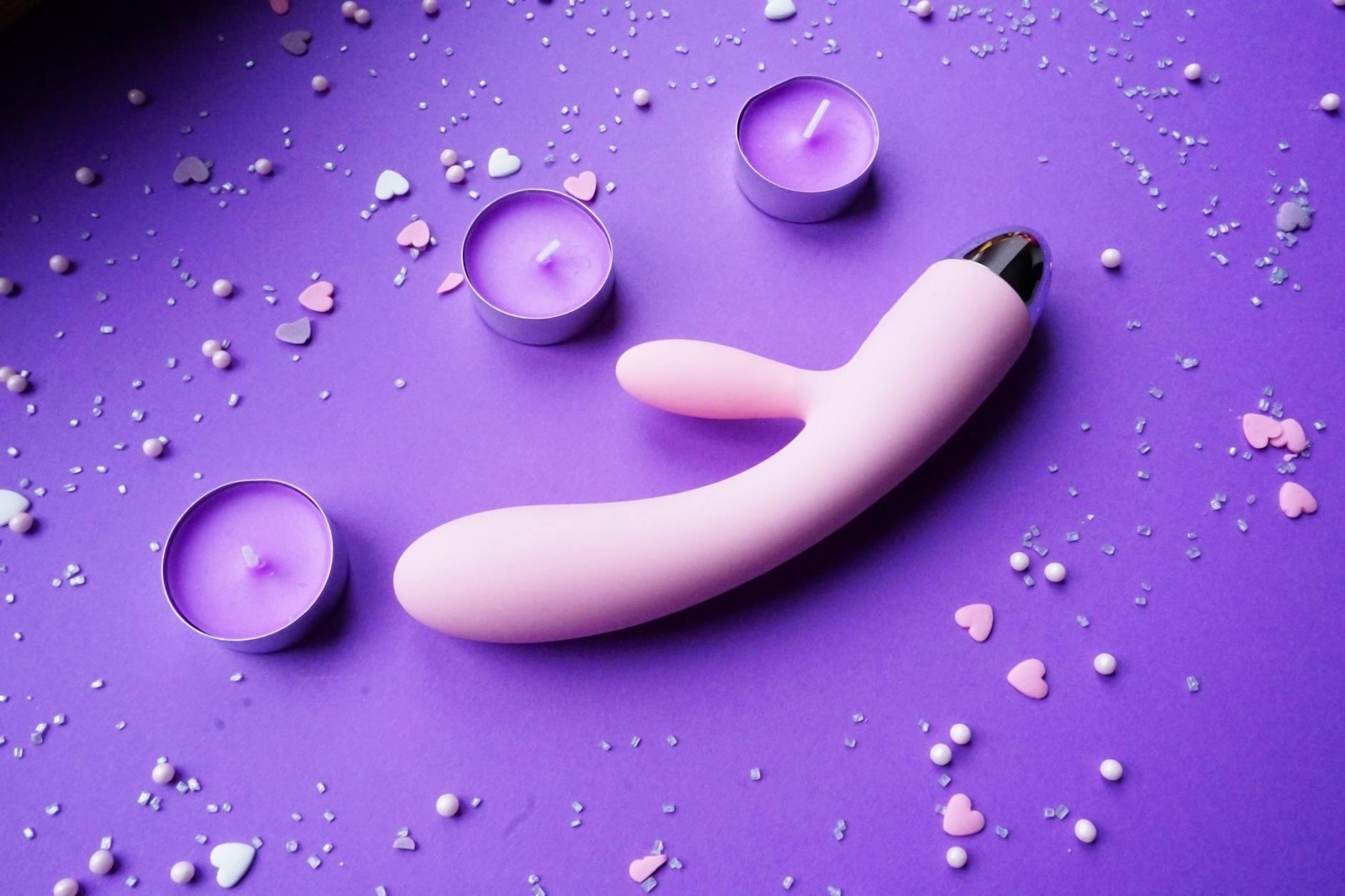
How to Use a Lemon Vibrator With Your Partner During Early Relationship Exploration
Bringing a lemon vibrator into a new relationship doesn't have to kill the momentum. Here's the conversation starter, the timing, and exactly how to make it feel natural.
You're a few months into something that feels real. The sex is good. You're thinking about introducing a lemon vibrator. And you're frozen, because you're not sure if it means "I want more" or "what you're doing isn't enough." Both are things your partner could hear, and neither is what you actually mean.
Here's the thing. Most conversations about toys in early relationships fail because they happen too late, during sex, or with a defensive tone. I want to walk you through the version that actually works.
Timing is everything, and I'm not being cute about this. The absolute worst moment to mention a lemon vibrator is mid-intimacy or right after sex. Your partner's guard is down, their insecurity is at its highest, and they're reading tone through a filter of vulnerability. Even if you say it perfectly, the context will scramble it.
The best moment is outside the bedroom entirely. A casual conversation over coffee, after a walk, or during a moment where you're both relaxed and not about to take your clothes off. You want them thinking clearly, not defensively.
Timing also means waiting long enough that the foundation exists. If you're three weeks in, wait. You want enough mutual trust that a new idea feels like an invitation, not a ultimatum. I usually recommend at least two months of regular intimacy before introducing anything novel.
The opening line matters because it sets the entire frame. Here's what works:
"I've been thinking about something I want to try together, and I want to be really honest about why. It's not because anything's wrong. It's because I trust you enough to ask for what might feel even better."
That does three things. It removes the "you're not enough" terror immediately. It signals that this is collaborative ("together"). And it grounds the ask in trust and intimacy, not performance or comparison.
Then you describe what you're thinking. Stay specific and practical. "I've been curious about a lemon vibrator," not "I want us to have better orgasms." The first is exploratory. The second sounds like a judgment on what you're already doing.
Here's where you name the actual toy, because vagueness breeds fear. A lemon clitoral vibrator is not a traditional vibrator. It works through suction, not direct vibration, which means it feels fundamentally different from what your partner might be doing with their fingers or inside you. That difference is the actual point.
Say something like: "There's this clitoral vibrator called a lemon vibrator. It uses suction instead of vibration. I've read it can feel really different, and I'm curious what it would be like to explore it together."
You're naming the product. You're naming the mechanism. You're making it sound like a discovery, not a critique. Your partner now has concrete information instead of their own worst-case fantasy.
Best case: "Yeah, let's try it." You're done with the hard part.
More realistic case: "I don't know. That makes me nervous." Okay. This is where you pivot away from selling and toward listening. "What part feels nervous?" Let them say it out loud. They might say it means you're not satisfied, or they're afraid they'll be replaced, or they don't know what their role would be. None of those things are stupid.
Then you answer the actual fear, not the surface question. "I know this might feel like it comes out of nowhere, but honestly, I've been enjoying us so much that I want to expand that. You using this on me doesn't replace anything you do. It just adds a sensation we haven't tried yet."
You're separating the tool from the intimacy. The lemon vibrator is a prop. The actual pleasure is collaborative.
Once you've both agreed to try it, don't just order it and surprise them when it shows up. Have one more conversation, this time practical.
"When we try it, I'm thinking we could start slow. We'd use it together at first, so you can see how it works and what I respond to. No pressure for it to be a specific way. We'll figure it out as we go."
That commitment to going slow is everything. It tells your partner you're not expecting instant expertise. You're not expecting it to fix anything. You're exploring together, which is the actual truth.
The first time, your partner should be in control of the lemon vibrator, not you. This flips the power dynamic completely. They're not worried about being replaced. They're actively choosing how to pleasure you. They get to see your response in real time.
Start with the lowest setting. Let them run it over the external area first. Don't jump straight to direct clitoral contact. Give your body and their confidence time to adjust.
Talk out loud. Not performance talk. Genuine feedback. "That feels amazing." "A little softer." "Try the left side." Your partner gets real-time data instead of guessing. They also get to feel competent, which is its own form of intimacy.
After the first time, you can take more control. But let that first experience be collaborative. Your partner needs to feel like they're giving you something good, not being sidelined.
The lemon vibrator might become something you reach for regularly, or you might use it once and move on. Both are fine. What matters is that you've just modeled how to introduce novelty without shame or defensiveness.
That skill becomes the real relationship asset. You've shown your partner that curiosity is welcome. That asking for what you want doesn't mean criticizing what you have. That expanding the physical conversation deepens the emotional one.
Introducing a lemon sucker or any intimate tool early in a relationship is really about vulnerability. You're saying, "Here's something that excites me. I trust you with it." Your partner is saying, "I'll try something unfamiliar because I want you happy." That's not foreplay. That's intimacy.
If the conversation goes sideways, that's data too. It might mean your partner isn't ready for this kind of openness, or they have beliefs about sexuality that clash with yours. Neither is a character flaw. But it's information you need.
The couples who use toys successfully early on aren't more adventurous or less self-conscious. They're just able to separate the tool from the relationship. The lemon vibrator is a lemon vibrator. The actual thing happening is two people who trust each other enough to ask for more.
Not if you frame it right. Early relationships are when people are most open to trying things together. The risk is mostly in how you introduce the idea. If you're apologetic or defensive, it will feel weird. If you're curious and direct, it feels like play.
Respect it. Don't push. You can revisit it in six months if you want, but if someone's genuinely not interested, inserting the tool won't fix the underlying resistance. The conversation is about whether you're compatible on this topic, which is important information.
Absolutely. Know how it feels. Know what you like about it. That way, when you introduce it, you're not both learning from zero. You can actually guide your partner because you know what you're aiming for.
Many people worry about this. The answer is mostly no, if you've had the right conversation first. A lemon clitoral vibrator does something fingers can't do. It's not better. It's different. The fact that you want to experience it together is actually flattering if presented right.
Yes, absolutely. Many partners enjoy this. You'd typically hold the lem vibrator on the clitoris while your partner is inside you. It adds a sensation layer without replacing anything. Start slow and communicate constantly. Your partner needs to know they're not hurting you and that the addition feels good.
That happens sometimes. Maybe the moment wasn't right, or there was too much pressure, or the angle was off. One bad experience doesn't mean the tool is bad or you've damaged the relationship. You can laugh about it, table it for another time, or try a different approach. Plenty of couples use toys only occasionally, and that's completely normal.
The couples I work with who successfully introduce toys in early relationships share one thing. They've separated the tool from the relationship. The lemon vibrator isn't a commentary on the partner's performance. It's not a fix for desire. It's just an object that creates a sensation. The relationship is the thing you're actually building.
When you can have that conversation without shame or defensiveness, you're not just adding pleasure. You're modeling how to ask for what you want. That's the skill that actually keeps relationships alive.