Let's start with the honest part: surgery interrupts pleasure. It disrupts your connection to your body, introduces physical restrictions, and creates uncertainty about what's safe and when. Most conversations about post-surgery recovery focus on wound healing, activity restrictions, and returning to work. Nobody talks about rediscovering pleasure. And yet that's often what people are thinking about in the weeks after clearance.
After major surgery, the body sends mixed signals. You might feel healed in some ways (the wound is closed, pain is manageable) but not in others (you're tired, your abdominal wall feels fragile, you're emotionally cautious). This confusion is normal. Your nervous system is still registering threat even if your surgeon has cleared you.
Pleasure isn't frivolous post-surgery. It's actually part of recovery. Orgasm increases blood flow, releases endorphins, and signals to your body that it's safe to feel good. But pleasure also requires permission, which many people don't give themselves after surgery.
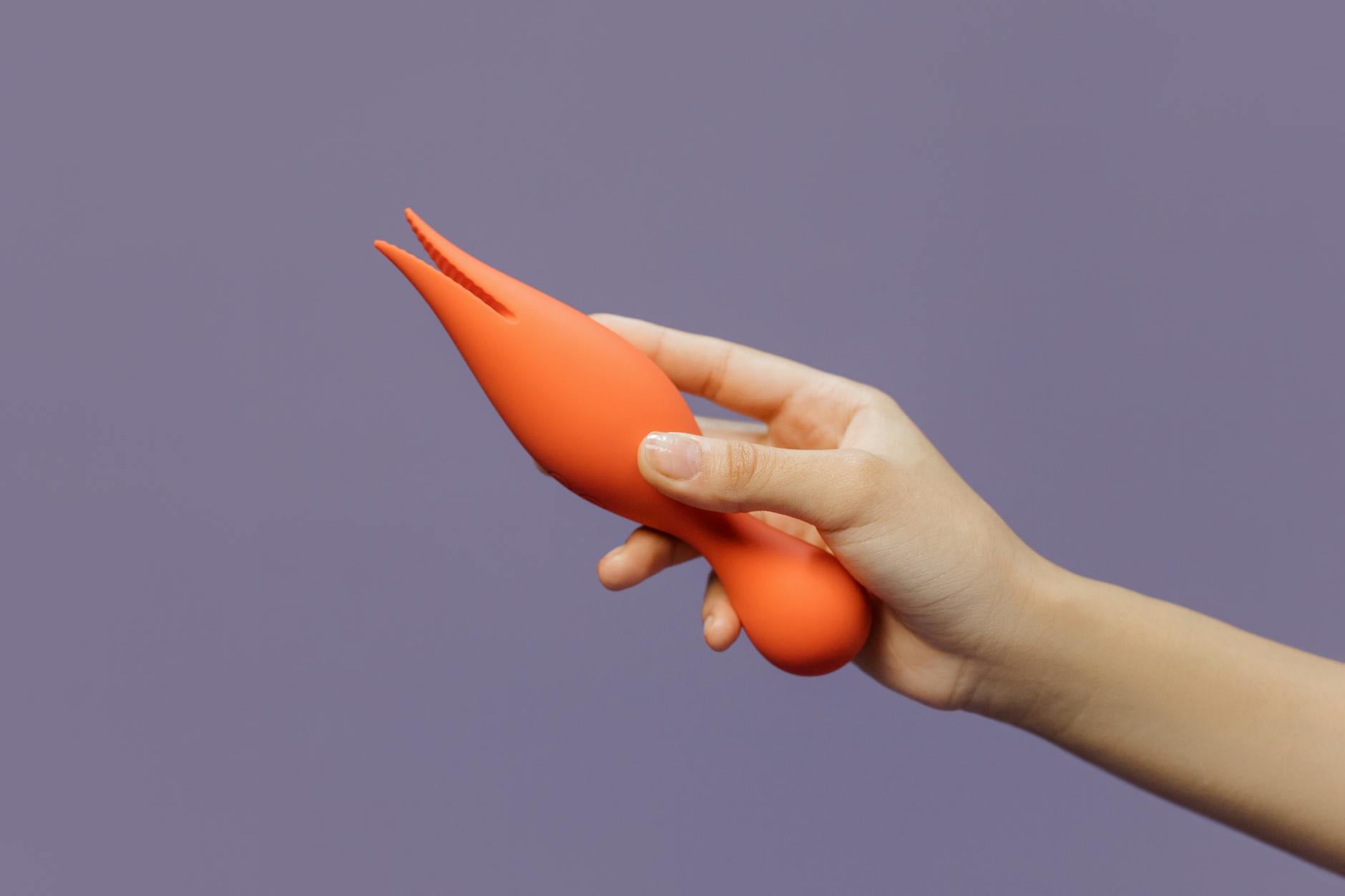
The lemon clitoral vibrator, specifically, works well for post-surgery bodies because it requires zero penetration, minimal movement, and offers a graduated approach to sensation. You're not managing internal pressure or positioning constraints. You're simply exploring what feels good, at your own pace.
This depends on the surgery. If it was a hysterectomy, c-section, or any procedure affecting your abdomen or pelvic region, most surgeons clear people for penetrative sex at around 6 weeks. But clitoral stimulation alone? Many surgeons are fine with that earlier, sometimes at 4 weeks, depending on pain levels and incision location.
The key conversation is with your surgeon, not a general timeline. Ask specifically: "When is it safe to engage in sexual activity that doesn't involve penetration or abdominal pressure?" You might be cleared sooner than you think.
After non-pelvic surgery (breast, thyroid, orthopedic), the restrictions are usually different. You're managing scar tissue sensitivity, medication interactions, and emotional readiness. Again, ask your surgeon. Don't assume the restrictions of a hysterectomy patient apply to you.
Here's where post-surgery pleasure diverges from normal exploration. You're not working toward anything. You're not chasing an orgasm. You're testing the waters to see what feels manageable, what feels good, and what signals your body sends.
Start with your lemon vibrator on the lowest setting, or even just by holding it (powered off) against your skin to assess sensitivity. Some people need to start with external pressure only, away from the vulva entirely. Your thighs, your lower abdomen (carefully, if the incision is healed), your inner forearms. The goal is to reintroduce the sensation of pleasure without surprise or pressure.
Once you've done that for a day or two, power it on at the lowest pattern. The Lem's suction design is particularly good here because there's no stabbing sensation, no vibration intensity that can feel overwhelming. It's a gentle pressure that gradually builds sensation. You can control intensity by adjusting the pattern or simply moving slightly away to reduce pressure.
Post-surgery bodies often have regions of numbness or altered sensation. An abdominal incision might leave you numb for months. Breast surgery can create phantom sensations or hypersensitivity. This is all normal, and it's all temporary, but it can make pleasure feel strange or disconnected.
Expect some weirdness. Your nervous system is relearning how to interpret signals. If something feels wrong (sharp pain, a pulling sensation, unusual swelling), stop and check with your surgeon. But if it just feels different (less intense, more spread out, oddly concentrated in one area), that's healing. Keep exploring gently.
Numbness is especially common after abdominal surgery. You might notice that sensation in your vulva or thighs feels less responsive than before. This often starts improving after 3-6 months as the nerves recover. Using a lemon clitoral vibrator actually helps during this period because the suction stimulation can help re-educate those nerve pathways.
Your body went through trauma, even if it was planned and necessary. Part of post-surgery pleasure is permission to feel good in a body that recently didn't feel good at all. Some people describe this as disconnection. Their body is physically healed but they still feel distant from it.
This is where intentional practice helps. Spend a few minutes (maybe 5-10) in a comfortable position, using your lemon vibrator at a low setting, not trying to reach any outcome. Just observe: what feels good, what feels neutral, what feels too much. This trains your body and nervous system to trust sensation again.
If you're healing with a partner, communicate openly about what's shifting. "I'm exploring what feels good again" is a conversation separate from "I'm ready for penetration." Many relationships actually deepen during this phase because it slows things down and creates genuine curiosity instead of assumption.
After most surgeries, you're managing restricted movement and pressure concerns. Lying on your back might feel safest initially, but it's actually one of the least comfortable positions for clitoral exploration because of how you need to position your legs or torso.
Instead, try side-lying on the side opposite your incision. You have more control over pressure and movement. Your abdomen isn't stretched or compressed. Your legs can stay in a comfortable position. Your lemon vibrator stays accessible. This also works well if you're using it solo or with a partner.
If you find that even small movements trigger pain or discomfort, you might not be ready yet. This is data, not failure. Give yourself another week and try again.
Once you've been exploring at the lowest setting for several days and nothing hurts, that's when you can experiment with pattern changes. Most lemon clitoral vibrators offer 8-10 patterns at varying intensities. Start with pattern 2 or 3 (usually moderate and rhythmic). Pattern 1 is typically the gentlest. Patterns 4-6 are more intense. Don't jump to high patterns just because you can.
You might also notice that certain patterns feel better than others. Some people post-surgery find that sustained, rhythmic patterns are easier to manage than chaotic ones. Others prefer building intensity. There's no correct answer. Your body will tell you.
Healing isn't linear. You might feel great on day 10 post-clearance and sore on day 12. This doesn't mean you're regressing. It means your body is managing inflammation, fatigue, and the normal micro-stresses of returning to activity.
Use a lemon vibrator when you feel good and ready. Skip it when you don't. There's no timeline you're behind on. Your body is following its own recovery arc.
Keep water-based lubricant nearby. Even though you're not penetrating, the vulval tissue benefits from hydration, especially if you're on pain medications (which can be dehydrating). A little lube makes everything feel better and smoother.
Surgery is intrusive. Someone cut into you, rearranged things, and sewed you back up. Even necessary surgery can leave you feeling like your body isn't entirely yours. Reclaiming pleasure is part of taking your body back.
A lemon vibrator is a tool for that reclamation. It's low-pressure, controllable, and responsive to what your body actually needs right now. You're not performing for anyone. You're not trying to get anywhere. You're just relearning what feels good.
This phase often leads to deeper self-knowledge. Lots of people discover during post-surgery healing that they actually prefer gentler stimulation, or different patterns, or exploring without urgency. Don't lose that information once you're fully recovered. It's valuable.
Yes, generally. Pain medication shouldn't prevent pleasure. But it can dull sensation, which means you might need to spend a little longer exploring to feel what you're feeling. Stay hydrated, go slowly, and stop if anything feels wrong.
Stop immediately and let your surgeon know. Scar tissue sometimes creates localized pain that needs attention. This is rare with external clitoral stimulation, but it happens. Your surgeon can check whether the scar tissue needs treatment or whether you just need to avoid that specific area for a bit longer.
Most people find that pleasure returns to baseline within 3-6 months. Some discover it's actually better because they're more intentional now. A few experience lasting changes, especially after major pelvic surgery. If pleasure hasn't normalized after 6 months, that's worth discussing with your gynecologist or a pelvic floor physical therapist. Why Lemon Vibrators Feel Different for Women With Low Libido From PCOS addresses ongoing sensitivity issues that sometimes emerge post-surgery.
If your surgeon cleared you for sexual activity, they cleared you for orgasm. Orgasm itself doesn't harm healing. The contractions are gentle and localized. What matters is avoiding activities that strain your incision (like penetration or extreme positions) before you're ready.
That's a separate conversation from your physical recovery. It's completely fine to explore alone first, get reacquainted with pleasure, and then invite your partner in once you feel solid. Most partners actually prefer this because it takes pressure off them to guess what's okay. You're the expert on your own body right now.
Pain is a stop sign. Discomfort (oddness, mild pulling, unusual sensation) is information. Lack of sensation is normal. If you're confused about what your body is telling you, take a day off and try again. Your body will become clearer as it heals.
Surgery is a reset. Pleasure is a choice you get to make on your own timeline, with tools that actually support what your body needs right now. A lemon clitoral vibrator gives you graduated control, zero internal pressure, and the ability to explore at whatever pace feels right.
Trust that. Trust your body. And if something feels off, your surgeon is there to answer questions. You're not being silly or overcautious by asking. You're being smart about your own recovery.